
Glochidion harveyanum
Glochidion harveyanum
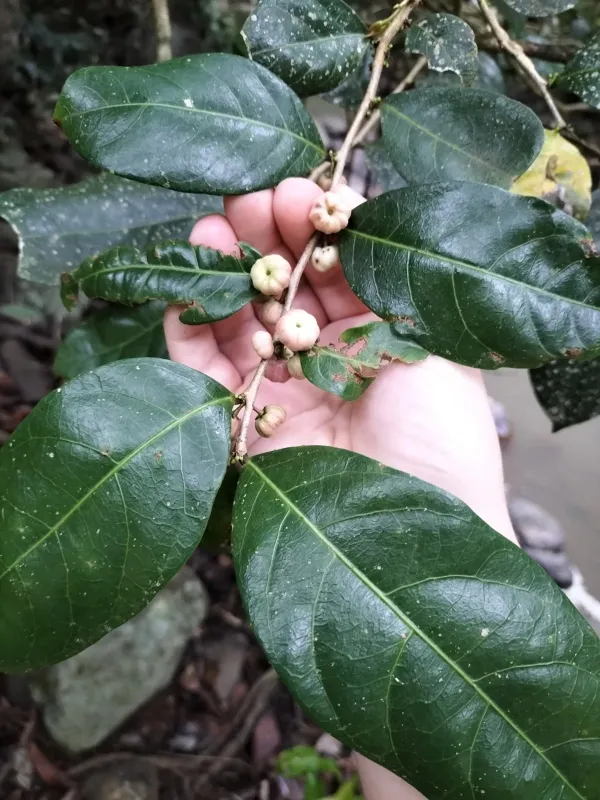
Description
Growing requirements
Glochidion harveyanum is a woody plant species belonging to the Phyllanthaceae family, native to the tropical ecosystems of Fiji. It is well-adapted to warm, humid environments characteristic of its natural insular habitat.
For successful cultivation, the plant requires a climate that maintains high temperatures and high humidity levels throughout the year. It does not tolerate frost or prolonged cold spells, which can severely damage its foliage and stems.
The soil profile for this crop should be well-drained and enriched with organic matter. Proper aeration of the root zone is essential to prevent waterlogging, which is a major limiting factor for many tropical plants in this family.
Sunlight requirements vary, but young plants typically benefit from dappled shade, whereas mature specimens can thrive in full tropical sun. Consistent moisture levels in the soil must be maintained during the initial establishment phase.
Botanically, the plant is known for its relatively small, inconspicuous flowers that develop into capsules. The structure of its vegetative organs makes it an interesting subject for botanical studies and specialized horticulture.
Harvesting
The practical utilization of Glochidion harveyanum often involves the extraction of traditional medicinal compounds found in its tissues. It serves as a biological resource in its indigenous range.
Harvesting practices involve the selective collection of leaves or bark. It is crucial to perform these tasks with tools that minimize trauma to the living plant, ensuring the longevity of the source specimen.
Agricultural management includes periodic pruning to shape the canopy and remove any dead or diseased woody growth. This practice enhances the overall health and productivity of the individual shrubs.
Fertilization should be balanced, focusing on organic sources to mimic the nutrient cycling found in tropical rainforest floors. Excessive chemical inputs can disrupt the natural symbiosis with soil microorganisms.
Post-harvest handling involves careful drying in well-ventilated areas to prevent fungal growth. Once dried, the material should be stored in cool, dark environments to maintain the integrity of its chemical constituents.