
Glochidion fernandi
Glochidion fernandi
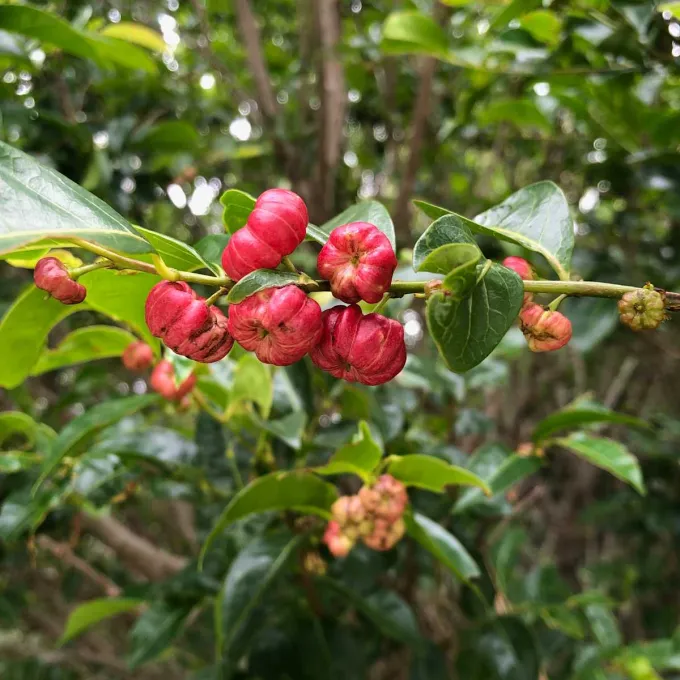
Description
Growing requirements
Glochidion fernandi belongs to the Phyllanthaceae family, characterized by its resilient nature in tropical ecosystems. It primarily thrives in environments with high humidity and consistent tropical temperatures, making it a specialized crop for specific geographical zones.
Soil requirements involve well-drained, nutrient-rich substrates. The plant is sensitive to waterlogging, which necessitates the use of raised beds or improved drainage systems if the native soil is heavy or clay-based. A pH level between 6.0 and 7.0 is typically ideal.
Regarding climate, this species demands protection from frost and cold winds. Sustained warmth is essential for foliage development. In regions where it is grown commercially, greenhouses are often utilized to mimic the natural tropical canopy environment.
Lighting management is crucial. While the plant can withstand varying levels of light, dappled or filtered sunlight produces the best vegetative growth. Direct, intense equatorial sun may require canopy cover to prevent leaf scorching and excessive transpiration.
Nutrient management involves regular organic enrichment. Applying compost or mulch around the root zone helps maintain the required soil moisture levels while slowly releasing essential minerals, promoting steady, long-term plant development.
Harvesting
The agricultural harvest of Glochidion fernandi is focused on specific botanical parts that contain secondary metabolites. These components are studied for their potential utility in local industrial and traditional pharmaceutical applications.
Timing of the harvest depends on the specific end-use objective. For foliage extraction, timing during the peak growth season is necessary to ensure maximum yield. For fruit or seed harvesting, careful observation of the maturation stage is required.
Post-harvest techniques are vital for quality control. Immediate sorting and processing are performed to prevent spoilage. Controlled drying methods are employed to ensure that the chemical profile of the plant material remains stable during transportation and storage.
The plant demonstrates significant potential for sustainable agroforestry. Its ability to provide shade for shade-loving crops while simultaneously improving soil quality makes it an asset for polyculture farming systems in tropical regions.
Modern management focuses on selective pruning, which optimizes the tree architecture and makes harvesting more efficient. This practice also promotes the health of the plant by increasing airflow and reducing the likelihood of humidity-related pathogens.