
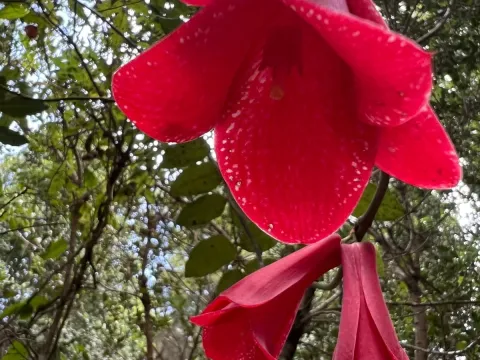
Lapageria rosea
Lapageria rosea
Lapageria rosea, commonly known as the Chilean bellflower, is a perennial evergreen vine belonging to the Philesiaceae family. Originating from the temperate rainforests of Chile, it is highly regarded for its stunning, waxy, bell-shaped flowers.
What the section contains
Lapageria rosea
Successful cultivation of this species requires a climate that mimics its native habitat, specifically cool temperatures and high humidity levels. It thrives in shaded or semi-shaded locations, as intense sunlight can easily scorch its delicate foliage.
The plant demands a well-draining, acidic growing medium rich in organic matter. A mixture of peat, leaf mold, and pine bark is often recommended to ensure proper aeration for the root system, which is notoriously sensitive to waterlogging.
As a climbing vine, Lapageria rosea requires sturdy supports such as trellises or wires. Proper training of the stems is essential during the growing season to ensure healthy vertical development and to facilitate better airflow through the foliage.
In terms of usage, it is primarily a ornamental plant cultivated in conservatories and botanical gardens. Due to its specific requirements, it remains a specialty crop for dedicated horticulturists and rare plant collectors worldwide.
Spider mites are the most frequent pests, especially in environments where humidity is not strictly maintained. These tiny arachnids thrive in dry conditions and can cause severe damage to the leaves if left untreated.
Scale insects present another significant threat, often colonizing the stems and undersides of leaves. They extract plant sap, weakening the vine and potentially leading to the growth of sooty mold due to honeydew secretions.
Root rot is a major physiological threat caused by poor drainage and excessive moisture. Because the root system is sensitive, even minor mistakes in irrigation management can prove fatal for the entire plant over a short period.
Mealybugs can be problematic, often hiding in the axils of leaves. Manual removal combined with targeted biological insecticides is the preferred method for managing these infestations without harming the plant's delicate tissues.
Leaf spot diseases, often fungal in origin, occur in poorly ventilated spaces. Maintaining airflow and avoiding overhead watering are critical cultural practices to keep the plant disease-free and ensure long-term vitality.