
Petchoa
Petchoa
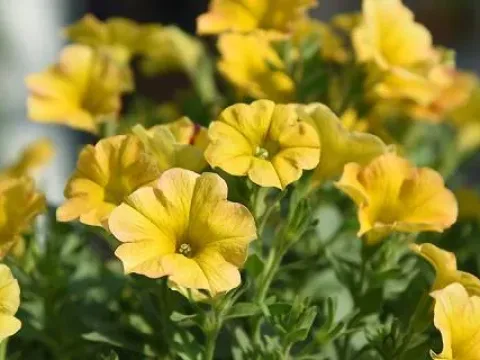
Petchoa (Petchoa) is a sophisticated intergeneric hybrid developed from crosses between Petunia and Calibrachoa species within the Solanaceae family. This plant captures the superior traits of its parents, combining the large, vibrant blooms of the Petunia with the robust, weather-tolerant, and disease-resistant characteristics of the Calibrachoa.
What the section contains
Petchoa
Successful cultivation requires high light intensity, as this hybrid is an obligate heliophyte. Providing full sun exposure is essential for maintaining a compact growth habit, preventing internode stretching, and ensuring the development of high-quality blossoms throughout the entire growing season from spring to late autumn.
The substrate must be well-aerated, porous, and possess excellent drainage capabilities, ideally with a slightly acidic pH level. In container gardening, it is imperative to ensure that the potting mix does not become compacted over time, as the roots are highly susceptible to hypoxic stress caused by waterlogged soil.
Optimal environmental conditions for Petchoa include moderate temperatures. While the hybrid is notably more resilient to sudden weather shifts compared to pure Petunia cultivars, heat management remains a priority; in exceptionally hot climates, protecting the root zone from extreme thermal gain is recommended.
High nutrient requirements must be met through consistent fertilization. Because of their vigorous growth, Petchoa plants need frequent applications of balanced, water-soluble fertilizers enriched with iron and micronutrients to prevent iron chlorosis, which can cause significant yellowing of the foliage and reduced aesthetic value.
Pathogenic fungi represent the primary threat to the health of Petchoa, with powdery mildew, botrytis blight, and root rot being the most prevalent issues. These diseases are largely triggered by high humidity levels and inadequate air circulation, which create a favorable environment for fungal spores to colonize.
Common insect pests include aphids, whiteflies, and spider mites. These pests thrive in warm, dry microclimates and can cause extensive damage by extracting plant sap, which not only stunts growth but also facilitates the transmission of various plant viruses that significantly reduce the plant's productive lifespan.
Integrated pest management strategies are crucial for maintaining vigor. This includes regular scouting for pests on the underside of leaves, using targeted insecticidal soaps, and applying systemic insecticides only when necessary to protect beneficial pollinators from unnecessary exposure to chemical agents.
Sanitation is a vital aspect of disease prevention. Removing spent flowers and any dead or decaying foliage prevents the buildup of organic debris that can serve as a substrate for opportunistic pathogens, thereby maintaining a hygienic environment that discourages infection and promotes overall plant wellness.
Implementing a preventive fungicide program, particularly during periods of high humidity, can be beneficial for large-scale displays. Ensuring correct spacing between containers or individual plants is essential to promote airflow and minimize the duration of leaf wetness, effectively reducing the risk of widespread fungal outbreaks.