
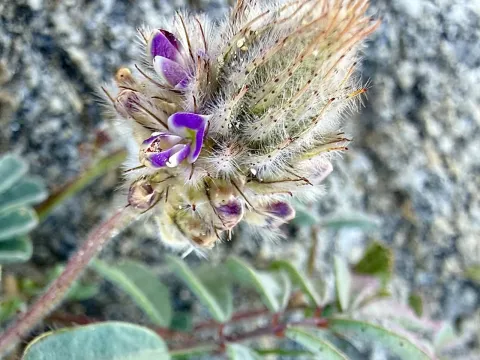
Petalostemon
Petalostemon
Sowing of Petalostemon is recommended in the spring, once the soil temperature reaches 10–12°C. The optimal period for most regions is mid-April to early May, which allows the seeds to utilize stored soil moisture for successful germination.
What the section contains
Petalostemon
For high-quality sowing, it is necessary to prepare a field free from weeds, as young Petalostemon seedlings develop rather slowly and are prone to being suppressed by competing plants during the first weeks of life.
The seeding depth should be no more than 1–2 centimeters, given the small size of the seeds. Planting too deeply can lead to delayed emergence and seedling death before they reach the surface.
The recommended seeding rate varies from 6 to 10 kg per hectare, depending on soil conditions and the sowing method (drilled or row planting). Row planting with 15–20 cm spacing is considered most effective for establishing a dense stand.
After sowing, it is advisable to roll the field to ensure maximum contact between the seeds and soil particles, which is critical for achieving uniform and simultaneous emergence in field conditions.
Petalostemon belongs to the Fabaceae family and is a perennial herbaceous plant adapted to the arid conditions of North American prairies. The crop is extremely undemanding regarding soil fertility and can successfully develop on poor, sandy, and rocky soils.
The plant possesses a deep taproot system, making it highly drought-tolerant. It prefers open, sun-exposed areas and does not tolerate shading by other tall-growing plant species.
Optimal soil acidity for this crop falls within the neutral to slightly alkaline range. In conditions of excessive moisture and water stagnation, Petalostemon roots are prone to decay, so well-drained areas are preferred.
Regarding climate, the crop exhibits high winter hardiness and the ability to withstand sudden temperature fluctuations. It is ideal for the reclamation of degraded lands due to its ability to fix atmospheric nitrogen with the help of symbiotic bacteria.
During cultivation, it should be noted that the plant reacts poorly to excessive nitrogen fertilization, as it is capable of providing itself with this element provided that specific strains of nitrogen-fixing bacteria are present in the soil.
Agricultural use of Petalostemon is primarily focused on establishing hay meadows and pastures, as well as using it as an effective honey plant. The yield of green biomass depends on moisture conditions and planting density.
During the flowering period, the plant actively attracts bees, ensuring high rates of honey production per hectare. This makes it a valuable component of seed mixtures in fields adjacent to apiaries.
The forage value of Petalostemon is comparable to alfalfa, although its regrowth rate after mowing is somewhat slower. With proper management, up to two full cuts can be obtained per growing season.
The seed productivity of the crop is moderate but stable. Harvesting seeds requires timeliness, as pods may shatter upon full maturity, which leads to significant losses of the crop in the field.
When used as a soil-improving crop, Petalostemon significantly increases the organic matter content in the soil, which in the long term has a favorable effect on the yield of subsequent crops in the rotation.
Petalostemon possesses a strong immune system against most traditional legume diseases, which reduces the need for pesticide application. The main danger is posed by fungal infections in years with abnormally high rainfall levels.
Typical problems may include root rots occurring in waterlogged soil conditions. To prevent such issues, careful site selection and adherence to land drainage standards are critically important.
Regarding pests, weevils and spider mites can occasionally be found on plantings, damaging the vegetative mass. However, with a high density of natural enemies, pests rarely reach the economic threshold of damage.
Weed vegetation is the main competitor of the crop during the establishment period. In the first year after sowing, it is important to carry out regular weeding to ensure young plants have access to light and nutrients.
One should also be wary of nematode infestations if the crop is cultivated on the same field for an extended period without proper crop rotation practices.
Hay harvesting of Petalostemon is performed during the mass flowering phase, when the nutritional content of the green mass reaches its peak. This allows for the production of high-quality fodder with an optimal protein-to-fiber ratio.
For mowing, standard mowers are used, adjusted to a cutting height of no less than 5–7 centimeters. Leaving stubble of this height promotes faster regrowth of the crop after mowing.
When harvesting for seeds, it is important to monitor the moisture level of the harvested mass. Harvesting begins when the lower pods acquire a brown or dark-brown hue, indicating physiological maturity of the seeds.
After cutting, the seed crop must be dried quickly in windrows to prevent spoilage and self-heating of the plant mass. Under dry weather conditions, this process takes three to five days.
Seed cleaning is performed using standard seed-cleaning machines with appropriate sieves. Seed storage is permitted in dry, ventilated rooms with a seed moisture content not exceeding 12%.