
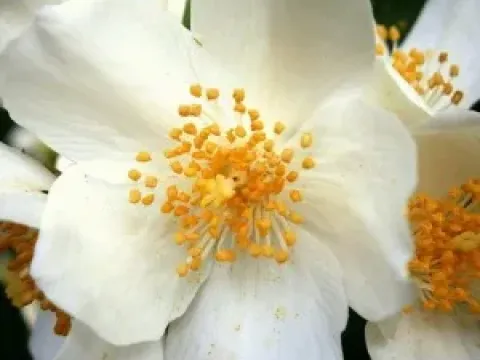
Philadelphus grandiflorus
Philadelphus grandiflorus
Philadelphus grandiflorus, commonly known as the large-flowered mock orange, belongs to the Hydrangeaceae family. Native to the Southeastern United States, this deciduous shrub is highly valued for its vigorous growth habit and large, unscented white flowers that appear in late spring and early summer.
What the section contains
Philadelphus grandiflorus
For optimal growth, this species requires full sun to partial shade. While it is adaptable, flowering is most profuse when the plant receives at least six hours of direct sunlight per day. It should be situated in a location sheltered from harsh winds, which can damage the branches and buds during the dormant season.
The plant thrives in fertile, well-draining soils with a neutral to slightly acidic pH. It is sensitive to waterlogged conditions, which can lead to root rot. When planting, incorporating organic matter such as compost into the soil helps improve drainage and nutrient availability, promoting robust root development.
Cultural practices include consistent watering during the growing season, especially during prolonged dry spells. Mulching around the base of the plant helps retain soil moisture, suppresses weed growth, and protects the root system from temperature fluctuations throughout the year.
Pruning is essential for maintaining the health and aesthetics of the shrub. It should be performed immediately after the flowering period ends to avoid removing next season's flower buds. Removing approximately one-third of the oldest stems encourages new growth and keeps the plant rejuvenated.
Common pests affecting Philadelphus grandiflorus include aphids, which often cluster on tender new foliage and flower buds. Scale insects and spider mites can also infest the shrub, particularly in hot, dry environments, causing leaf discoloration and stunted growth if left unmanaged.
Fungal diseases, such as leaf spot and powdery mildew, may occur if the plant is grown in conditions with poor air circulation or excessive humidity. These pathogens manifest as white dusty spots or dark lesions on the leaves, impacting the overall visual appeal of the plant.
Management of pest populations often involves the use of horticultural oils or insecticidal soaps. For severe infestations, targeted systemic insecticides may be necessary, provided that they are applied in accordance with integrated pest management principles to minimize harm to beneficial insects.
Disease prevention is primarily achieved through sanitation and proper spacing. Removing and disposing of fallen diseased leaves helps interrupt the life cycle of fungal pathogens. Maintaining adequate space between plants is crucial to ensure good airflow and reduce the incidence of foliar diseases.
Vigilance is key to maintaining a healthy specimen. Gardeners should conduct routine inspections during the growing season to identify early signs of stress or pest colonization. Early intervention significantly increases the efficacy of treatment and protects the shrub's ornamental value.