
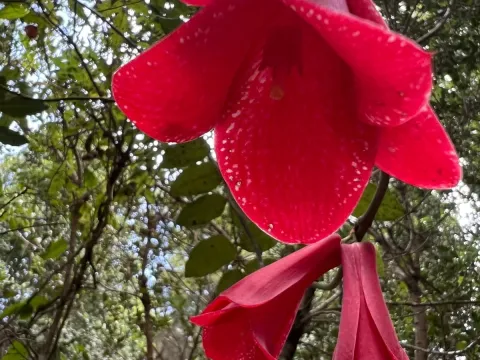
Lapageria
Lapageria
Propagation of Lapageria rosea typically begins with seeds, which require a cold stratification period of approximately 6 to 8 weeks to improve germination rates. Seeds should be sown in a sterile, acidic, and well-draining medium composed of peat moss and perlite.
What the section contains
Lapageria
The germination process is notably slow and can take several months. It is crucial to maintain a consistent temperature around 18°C to 20°C and ensure the medium remains moist but not waterlogged throughout the entire germination phase.
Once seedlings have developed two or three sets of true leaves, they should be carefully transplanted into individual pots. Due to the plant's delicate root system, great care must be taken during this process to avoid any unnecessary disturbance or damage.
Vegetative propagation via cuttings is possible but significantly more challenging and rarely successful for hobbyists. It involves using semi-hardwood cuttings treated with rooting hormones and maintained in a high-humidity environment under intermittent mist.
Regardless of the method used, patience is a primary requirement when cultivating Lapageria. The plant is a slow grower in its early stages and requires stable conditions to establish a robust root system before significant aerial growth occurs.
Lapageria is the sole member of the genus within the Philesiaceae family and is native to the temperate rainforests of Chile. It thrives in cool, moist, and shaded environments, mirroring its natural habitat beneath the canopy of forest trees.
Light requirements are specific: the plant demands bright, filtered light. Exposure to direct midday sun will cause significant leaf scorching and stress. A north or east-facing position, or the use of shade cloth in greenhouses, is ideal for optimal foliage health.
The soil must be acidic, well-aerated, and rich in organic matter. A mixture of leaf mold, peat, and coarse sand or bark provides the necessary drainage and nutrient profile that these plants need to prevent root suffocation.
Humidity is perhaps the most important environmental factor. Lapageria requires constant high humidity, ideally between 70% and 80%. Frequent misting or the use of automated humidification systems is essential in dry greenhouse environments.
Temperature control is vital, as the plant is sensitive to heat and frost. It performs best in a climate range of 10°C to 20°C. During the winter, a cool rest period is beneficial for promoting healthy flower bud development in the following season.
Spider mites are the most common pest, particularly when the ambient humidity drops below recommended levels. These small pests colonize the underside of leaves, causing yellow stippling and eventual leaf drop if left unchecked.
Scale insects can also infest the stems and leaves, extracting plant sap and weakening the vine. Their presence often encourages the growth of sooty mold, which impairs the plant's ability to photosynthesize effectively.
Root rot is a critical fungal threat, usually caused by overwatering or soil compaction. Once the root system begins to decay, the plant shows signs of sudden wilting, and recovery becomes extremely difficult.
Preventive measures include regular inspection of foliage, maintaining excellent air circulation, and ensuring the drainage holes of pots are never blocked. Keeping the plant environment clean helps reduce the risk of secondary infections.
If chemical interventions are necessary, organic-based or systematic insecticides should be applied carefully according to the manufacturer's instructions, ensuring the plant is not under moisture stress at the time of application.