
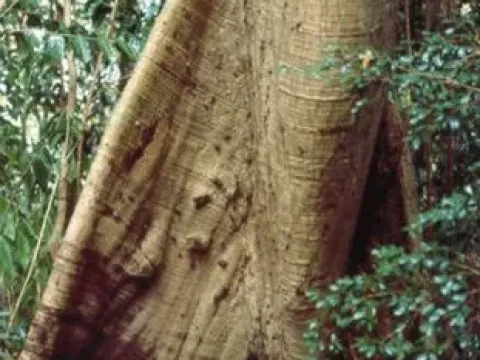
Ternstroemia oligostemon
Ternstroemia oligostemon
Ternstroemia oligostemon is a perennial plant belonging to the Pentaphylacaceae family. It is recognized for its glossy foliage and is native to humid tropical forest regions, thriving in shady understory conditions.
What the section contains
Ternstroemia oligostemon
The plant requires well-draining, nutrient-rich soil with a slightly acidic pH level. Proper drainage is essential, as waterlogged conditions can lead to root system decay and hinder overall plant vigor.
Regarding climate, this species prefers constant temperatures and high humidity levels throughout the year. It does not tolerate frost and should be placed in protected areas if ambient temperatures drop significantly.
Botanically, it features simple, leathery leaves arranged in an alternate pattern. Its flowers are generally inconspicuous but contribute to the plant's aesthetic value when cultivated in optimal tropical garden settings.
In terms of agricultural use, the plant is primarily cultivated for ornamental purposes in tropical landscaping. It is highly valued for its dense, evergreen canopy and its excellent response to ornamental pruning and shaping.
Ternstroemia oligostemon is susceptible to several pathogens, with fungal leaf spots being the most common issue. These infections occur primarily in areas with poor airflow and excessive leaf surface moisture.
Scale insects represent a significant pest threat that can weaken the plant by feeding on sap from stems and leaves. Their presence often encourages the development of sooty mold on the foliage surface.
To manage pest populations, gardeners should employ integrated pest management strategies, including the use of horticultural oils and systemic insecticides when necessary during the early stages of infestation.
Root rot is a critical threat often caused by improper watering techniques. Preventing this condition requires consistent soil moisture monitoring and ensuring that the irrigation system is calibrated to the plant's needs.
Maintaining clear ground under the canopy helps reduce the presence of soil-borne pathogens. Regularly cleaning up fallen leaves and organic debris is an essential practice for overall plant health management.