
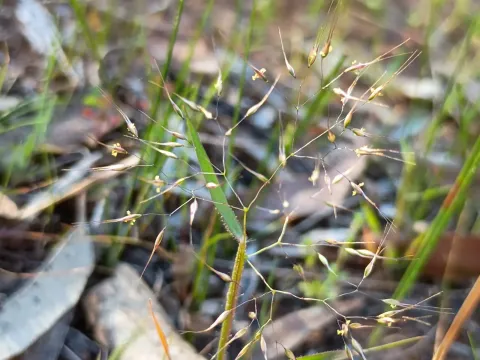
Pentaschistis
Pentaschistis
The genus Pentaschistis belongs to the Poaceae family, commonly known as the grass family. These perennial species are well-regarded for their robustness and ability to thrive in diverse environmental conditions.
What the section contains
Pentaschistis
Botanically, they typically grow in dense tufts, featuring narrow, rolled leaves that minimize transpiration. Their inflorescences are distinct, often forming paniculate structures with awned spikelets that facilitate efficient seed dispersal.
Originating primarily from the African continent, particularly South Africa, these grasses have adapted to a wide variety of habitats ranging from fynbos to rocky mountain slopes.
The plants require well-drained soil and are highly tolerant of nutrient-poor substrates, making them ideal for areas where more sensitive crops struggle to establish.
Commercially, they are utilized as valuable forage for livestock in arid regions and are also employed in ecological restoration projects to prevent soil erosion due to their extensive and fibrous root systems.
Common threats to these grasses include fungal infections such as rusts and smuts, which can impact foliage health during periods of excessive rainfall or humidity.
Pest pressures are often caused by various insect species, particularly grasshoppers, which can significantly reduce biomass yield during peak growing seasons.
Soil compaction represents a major abiotic threat, as it reduces root respiration and limits the ability of the plant to access deep-seated mineral resources.
Overgrazing remains a significant concern, as it prevents the plant from accumulating sufficient carbohydrate reserves for winter survival and spring regrowth.
Implementing a rotational grazing management system is essential to mitigate these threats and ensure the long-term sustainability of the pasture.