
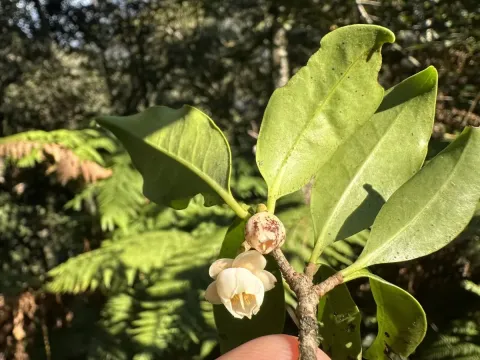
Ternstroemia
Ternstroemia
Ternstroemia is a genus of evergreen trees and shrubs belonging to the family Pentaphylacaceae, naturally occurring in tropical and subtropical climates across Asia and the Americas.
What the section contains

Ternstroemia
These plants thrive in well-drained, acidic soil types rich in organic matter, which mimic the natural forest floor conditions of their native habitats.
Cultivation requires a climate with high ambient humidity and protection from freezing temperatures, as most species in this genus lack frost tolerance.
Optimal growth is achieved in partial shade or dappled light, preventing leaf scorch and ensuring the deep green color characteristic of their foliage.
Regular irrigation is vital for the health of the root system; however, it must be balanced to prevent waterlogging, which often leads to root degradation.
Scale insects and mealybugs represent the primary pest threats to Ternstroemia, often settling on the undersides of the leaves and along the tender stems.
Fungal diseases, such as leaf spot or powdery mildew, can emerge if air circulation within the plant canopy is insufficient and humidity levels remain too high.
Root rot caused by Phytophthora or Pythium species is a significant risk, typically triggered by poor drainage or overwatering the substrate.
Integrated pest management strategies should focus on monitoring for early signs of infestation and applying systemic insecticides when necessary.
Maintaining proper cultural practices, including clean cultivation tools and removing infected plant tissue, is essential to minimize the risk of disease outbreaks.