
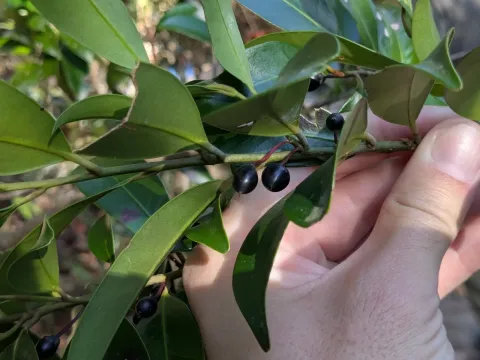
Cleyera
Cleyera
Cleyera is an evergreen shrub or small tree belonging to the Pentaphylacaceae family. The genus is widely recognized for its glossy, dark green foliage and dense branching habit, which makes it a preferred choice for landscaping in temperate regions.
What the section contains
Cleyera
Originating from East Asia, including Japan, China, and the Himalayas, the plant is naturally adapted to subtropical climates. It thrives in regions where humidity is consistently high and temperature fluctuations are relatively moderate throughout the year.
The cultural requirements for Cleyera emphasize the need for acidic, well-drained, and organic-rich soil. It is highly intolerant of waterlogged soil conditions, which frequently cause root rot and systemic failure in young specimens.
When selecting a planting site, it is important to provide partial shade or filtered light. While the plant is quite shade-tolerant, excessive exposure to full, direct sun can cause leaf scorch and damage the deep green pigment characteristic of the species.
Maintenance involves routine pruning to maintain the desired shape and size, especially when used for hedging or topiary. Regular moisture management, ensuring the root ball remains slightly moist but not saturated, is the key to successful cultivation.
Cleyera is susceptible to several common greenhouse and garden pests, with scale insects and mealybugs being the most frequent invaders. These pests cluster on stems and undersides of leaves, extracting nutrients and weakening the overall plant structure.
Spider mites represent a significant threat during periods of low humidity. The infestation is typically detected by the appearance of fine webbing and stippling on the upper surface of leaves, eventually leading to chlorosis and leaf drop.
Root rot, primarily caused by Phytophthora species, is a lethal disease if soil drainage is inadequate. This condition is characterized by rapid wilting of foliage despite moist soil, and requires immediate remedial action or disposal of the plant to prevent spread.
Leaf spot diseases, often fungal in origin, can appear during periods of high humidity and poor air circulation. Symptoms include irregular dark spots on leaves, which may expand under favorable environmental conditions for pathogens.
Effective management strategies include the use of dormant oils for scale control and systemic fungicides for persistent fungal outbreaks. Maintaining high sanitation standards, including the prompt removal of infected debris, is critical to preventing re-infestation.