
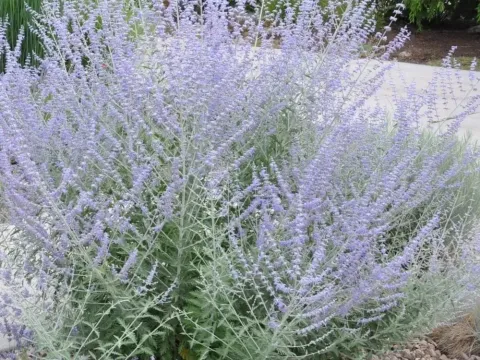
Perovskia
Perovskia
Perovskia is commonly propagated via green cuttings taken in early summer, which ensures rapid rooting and genetic consistency of the cultivar.
What the section contains
Perovskia
Seed propagation is also an option but requires a cold stratification period for at least one to two months to maximize germination rates.
Seedlings should be started indoors in late February or March, providing them with ample light to prevent stretching and weakness.
Transplanting into the garden should only take place after all danger of late spring frosts has passed and the soil has warmed up sufficiently.
Spacing plants about 50 to 60 centimeters apart allows for adequate air circulation, which is crucial for preventing humidity-related issues.
As a member of the Lamiaceae family, Perovskia is highly valued for its drought tolerance and its ability to thrive in poor soil conditions.
The plant requires full sun exposure and will struggle to bloom or maintain its structural integrity in even partial shade conditions.
Excellent drainage is the single most important soil requirement; Perovskia cannot tolerate "wet feet" and will rot in heavy, clay-based soils.
Alkaline or neutral soil pH is preferred, mirroring the plant's native habitat conditions in the mountainous regions of Central Asia.
Regular annual pruning in early spring, just as buds begin to swell, is essential to rejuvenate the plant and maintain a compact, bushy shape.
Root rot is the primary physiological threat to Perovskia, usually caused by overwatering or planting in locations with poor natural drainage.
Powdery mildew may occur in areas with extremely high humidity or poor airflow, often manifesting as a white coating on the leaves.
While the plant's aromatic foliage acts as a natural deterrent to most insects, aphids may occasionally be found on young shoots.
Good cultural practices, such as applying a gravel mulch instead of organic matter, significantly reduce the risk of pathogen accumulation.
Monitoring the moisture levels around the crown of the plant is vital to prevent fungal infections during the dormant winter period.