
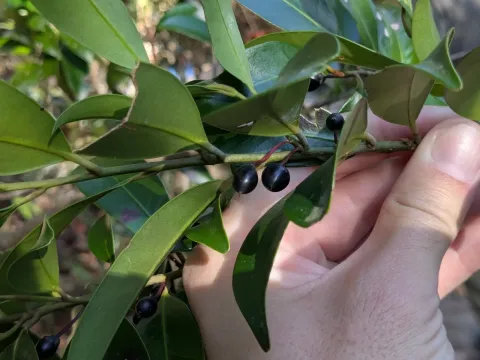
Cleyera
Cleyera Thunb.
Cleyera is a genus of evergreen trees and shrubs belonging to the Pentaphylacaceae family. Native primarily to East and Southeast Asia, these plants are highly valued in horticulture for their glossy foliage and compact, elegant growth habit.
What the section contains

Cleyera
The plant thrives in warm, temperate to subtropical climates. It is sensitive to extreme frosts, which makes it suitable for mild regions or as a container plant that can be moved to a protected environment during the winter months.
Regarding soil requirements, Cleyera prefers well-draining, slightly acidic, and moisture-retentive soils. Rich loamy soil amended with organic matter provides the best foundation for developing a robust root system and vibrant foliage.
Cultural practices include consistent watering, ensuring the soil remains moist but never waterlogged. Fertilizing during the active growing season with a balanced, acid-loving plant fertilizer helps maintain the deep green color of the leaves.
Due to its dense nature, Cleyera is widely used in landscape architecture. It serves perfectly as a formal hedge, a topiary specimen, or an evergreen background element in mixed borders where year-round interest is desired.
Common threats to Cleyera health include scale insects and mealybugs, which tend to congregate on the undersides of leaves or along stems. These pests extract sap, often leading to leaf yellowing and stunted growth.
Fungal issues such as leaf spot or root rot are frequently linked to poor drainage and high humidity levels. Ensuring proper spacing between plants is essential for promoting airflow and reducing the risk of fungal infections.
To manage pest populations, gardeners should utilize horticultural oils or systemic insecticides when outbreaks are detected. Early detection is key to preventing widespread damage to the foliage.
Environmental stress, such as extreme heat or drought, can make the plants more susceptible to secondary infections. Mulching the base of the plant helps to regulate soil temperature and moisture levels effectively.
Pruning should be performed with sterilized tools to prevent the accidental transfer of pathogens between specimens. Always remove dead or dying branches promptly to keep the plant vigorous and disease-free.