
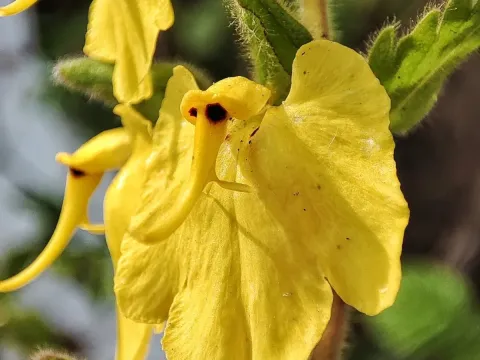
Rhynchocorys
Rhynchocorys
Rhynchocorys is a genus within the Orobanchaceae family. It is not considered an agricultural crop and is not cultivated for commercial purposes. In nature, it propagates through seeds which rely on specific environmental triggers to germinate.
What the section contains


Rhynchocorys
The life cycle begins in spring when seeds detect optimal moisture levels and temperatures. As a hemiparasitic plant, successful seedling establishment is entirely dependent on forming a connection with the root system of a host plant.
Growth is rapid during the vegetative phase, allowing the plant to produce flowers and eventually seeds. The plant does not require human-led sowing, as natural seed dispersal mechanisms are efficient in their native ecosystems.
Because it lacks direct agricultural use, there are no established sowing dates or agronomic protocols for this plant. It is primarily observed in wild, uncultivated landscapes.
Understanding the biology of Rhynchocorys is essential for conservationists who monitor biodiversity in wetlands and meadow ecosystems.
Rhynchocorys thrives in moist environments, including wet meadows, streambanks, and forest edges. It requires a stable supply of soil moisture throughout its growing season to maintain its hemiparasitic activity.
The plant prefers temperate climates with consistent rainfall. Extreme heat or prolonged drought conditions typically inhibit its development and may lead to the desiccation of the plant tissues.
Soil composition should be rich in organic matter to support the growth of both the host plants and the Rhynchocorys itself. Well-aerated soils are preferred over heavily compacted substrates.
The species demonstrates high tolerance to varying levels of sunlight, flourishing in both full sun and partial shade. Its distribution is closely linked to the availability of suitable host vegetation.
Maintaining the ecological balance in its habitat is the most important factor. Any significant disturbance to the host plant community will immediately impact the health and spread of Rhynchocorys.
The primary health issues for Rhynchocorys include fungal pathogens that exploit damp conditions to cause root and stem rot. These infections can quickly spread through a patch of plants.
Sucking insects such as aphids are common pests that attack the inflorescences and foliage, potentially reducing the plant's ability to produce seeds by the end of the season.
Habitat loss resulting from drainage projects or wetland reclamation poses a significant threat to wild populations of this genus, as it is highly specialized in its habitat needs.
Soil pollution, particularly from agricultural runoff, can interfere with the chemical signaling required for the parasitic roots to attach to the host, thereby limiting plant reproduction.
Increased competition from invasive vegetation can overshadow Rhynchocorys, limiting its access to light and nutrients, which eventually leads to population decline in the affected areas.