
Rhinanthus pseudoantiquus
Rhinanthus pseudoantiquus
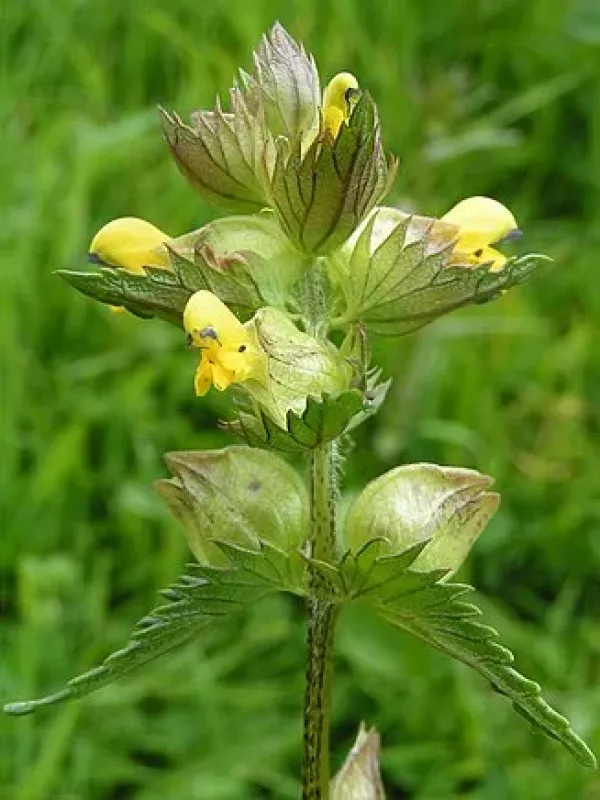
Description
Sowing dates
Rhinanthus pseudoantiquus is an annual hemiparasitic plant belonging to the Orobanchaceae family, known for its significant role in grassland ecosystems.
The sowing process is strictly linked to autumn conditions, as the seeds require a period of cold stratification through the winter to break dormancy.
Effective establishment in agricultural projects involves direct drilling or broadcasting into existing turf to ensure immediate root contact with host plants.
Seeding rates should be carefully managed based on the existing density of the grassland to ensure optimal competition and growth patterns.
Early spring germination is critical, allowing the plant to establish its haustorial connections with host roots before the peak growth of surrounding vegetation.
Growing requirements
The plant thrives in well-drained soils, ranging from sandy loams to heavier clays, provided that the soil structure supports root penetration.
As a hemiparasite, it strictly requires host plants, primarily grasses, to obtain water and essential nutrients for successful flowering and seed set.
High light exposure is a non-negotiable requirement; Rhinanthus pseudoantiquus cannot tolerate competition from dense, tall, or over-fertilized vegetation.
It prefers regions with stable moisture levels during the vegetative phase and a dormant winter period to ensure the natural cycle remains intact.
Soil nutrient levels should be kept low, as high concentrations of nitrogen favor grasses and allow them to outcompete the parasitic Rhinanthus.
Main diseases and pests
Fungal diseases like powdery mildew can affect the plant during humid spells, especially if the air circulation around the plants is significantly restricted.
Insects such as leaf-eating larvae or seed-feeding beetles can reduce the reproductive capacity of the population if present in high densities.
Widespread use of broad-spectrum herbicides is the primary threat to the presence of this species within agricultural and meadow environments.
Heavy livestock grazing during the flowering and seed-ripening periods can lead to the local extinction of the species if not managed correctly.
Poor soil aeration due to waterlogging often leads to root rot, which is particularly detrimental given the plant's dependence on root-to-root contact.
Harvesting
The primary agricultural utility of this species is in meadow restoration projects aimed at increasing floral diversity by suppressing vigorous grasses.
Seed harvest is performed when the capsules are fully dry and the seeds have turned black, indicating complete maturity and viability.
Post-harvest, the capsules must be threshed and cleaned to prevent moisture buildup, which can lead to rapid fungal growth and seed degradation.
Strategic mowing post-seeding helps to recycle nutrients and creates space for the next generation of plants to colonize the area effectively.
By incorporating this plant into management plans, farmers can reduce the need for mechanical intervention in maintaining open meadow structures.