
Rhinanthus pampaninii
Rhinanthus pampaninii
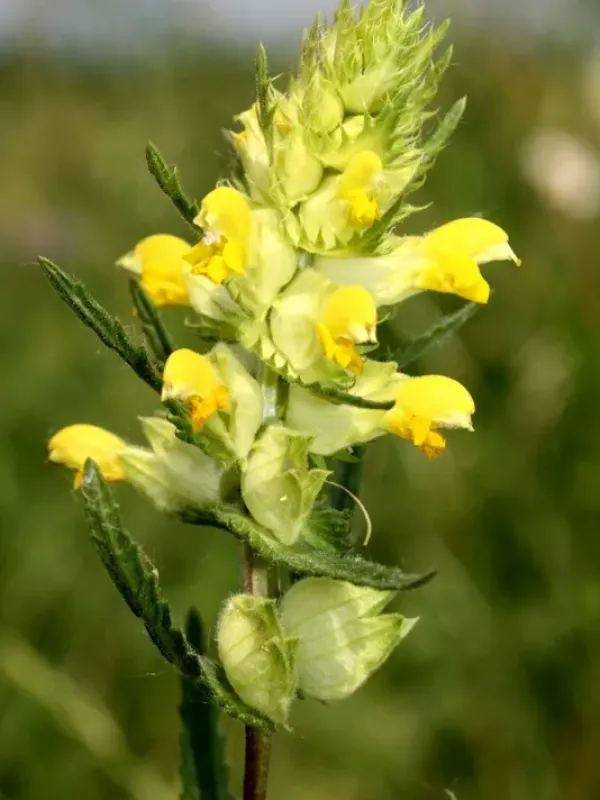
Description
Sowing dates
Rhinanthus pampaninii belongs to the Orobanchaceae family and is an annual hemiparasitic herb. Its life cycle is strictly regulated by seasonal temperature changes.
The seeds require a period of vernalization, meaning they must undergo cold stratification during the winter months before they can successfully germinate in early spring.
When sowing, it is crucial to place the seeds on the soil surface or cover them very lightly, as light exposure is often a trigger for germination in this genus.
Natural dispersal relies on autumn seeding, which is why artificial cultivation should mirror this process to ensure seeds mature and break dormancy correctly.
In managed meadows, sowing is rarely done as a standalone crop; rather, it is part of habitat restoration efforts to increase botanical diversity.
Growing requirements
As a hemiparasite, Rhinanthus pampaninii relies on haustoria to extract xylem sap from the roots of host plants, typically members of the Poaceae family.
It cannot thrive in isolation. Successful development depends entirely on the availability of suitable host grasses to provide the necessary water and nutrient supply.
The plant prefers well-drained, moderately moist soils and open, sunny locations where competition for light is not overly severe from taller, woody species.
Climatic requirements involve cool, temperate conditions. Extremely hot and dry summers can lead to premature desiccation and failure to produce viable seeds.
Soil fertility should be moderate; high nitrogen levels often favor faster-growing grasses, which may outcompete the slower-developing Rhinanthus seedlings.
Main diseases and pests
Fungal pathogens such as powdery mildew are common in dense stands where air circulation is restricted, especially during damp seasons.
Rust fungi can cause significant damage to the foliage, reducing the photosynthetic efficiency of the plant and weakening its ability to support its hemiparasitic growth.
Insect pests that target the reproductive organs, including various weevils, can destroy the seed crop before it reaches maturity.
Management usually involves timely mowing to prevent seed bank replenishment if the plant is considered unwanted in a specific hay meadow.
Indiscriminate use of broad-spectrum herbicides can devastate the associated host flora, indirectly harming the Rhinanthus population along with the overall ecosystem health.
Harvesting
Harvesting should be timed precisely when the seed capsules are fully dry and brown but before the natural dehiscence occurs.
Manual harvesting is preferred in small plots to maximize yields, whereas mechanized harvesting requires headers capable of handling light, small-seeded materials.
Post-harvest processing involves gentle threshing, followed by cleaning the seeds to remove debris and fine plant stalks through sieving.
Seeds should be dried in a well-ventilated, shaded area to prevent fungal contamination, which is a significant risk for seeds containing moisture.
Storage must be in cool, dry conditions to maintain seed viability for future use, ensuring they are protected from humidity and rodent interference.