
Rhynchocorys elephas
Rhynchocorys elephas
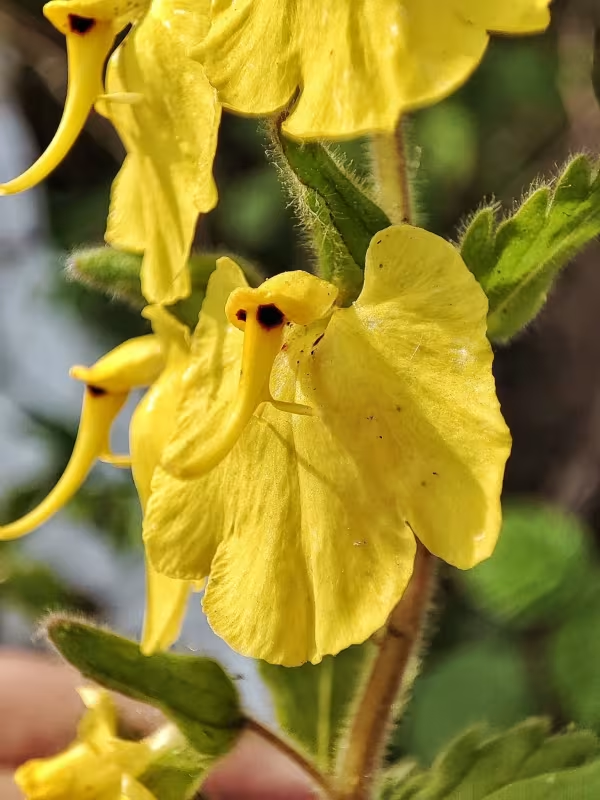
Description
Growing requirements
Rhynchocorys elephas is a herbaceous annual plant belonging to the Orobanchaceae family. It is recognized for its unique adaptation to specific ecosystems, typically inhabiting humid meadows and forest edges where moisture levels remain consistent throughout the year.
Cultivation of this species requires strict adherence to soil moisture management. It thrives in loamy, nutrient-rich soils that provide excellent drainage while maintaining the high water content necessary for the plant's hemiparasitic root system to function correctly.
The botanical structure of the plant features specialized roots that enable it to attach to the root systems of other plants. This mechanism is essential for supplementing its water and nutrient uptake, making the presence of host plants beneficial for its robust growth.
Climate requirements focus on mild, temperate environments. Extreme heat and prolonged drought periods are detrimental to the plant, often leading to physiological stress and reduced vitality. Therefore, selecting a semi-shaded site is often recommended.
Agricultural management should prioritize the maintenance of soil structure. Compaction should be avoided to ensure aeration, as the root system, although hemiparasitic, remains sensitive to anoxic conditions in the substrate.
Main diseases and pests
The primary threats to Rhynchocorys elephas include fungal pathogens, particularly root rot, which are triggered by waterlogged conditions. These diseases can rapidly spread through the root zone and compromise the plant's overall health.
Pest issues include typical garden insects such as aphids and leaf miners that may feed on the tender stems. Implementing integrated pest management, focused on maintaining a healthy ecosystem, is the most effective way to protect this crop.