
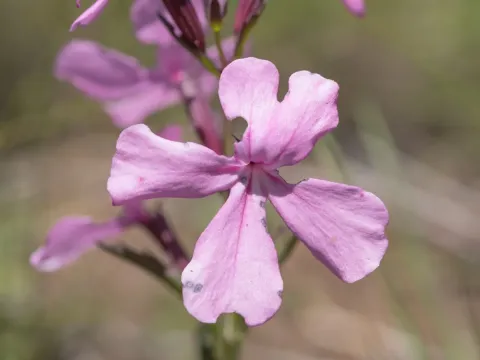
Cycnium
Cycnium
Cycnium is a fascinating genus of plants belonging to the Orobanchaceae family, recognized for its distinct hemiparasitic nature in various ecosystems.
What the section contains

Cycnium
The genus is predominantly distributed across the African continent, thriving in diverse climates ranging from arid savannas to more temperate grassy landscapes.
Botanically, these plants possess chlorophyll and are capable of photosynthesis, yet they establish connections to the roots of host plants to supplement their nutrient intake.
Successful growth of Cycnium species depends heavily on the presence of appropriate host plants, which act as the primary source of water and essential mineral solutes.
From an agronomical standpoint, the plant requires specific soil conditions to maintain its parasitic connectivity, favoring areas where host roots are abundant and easily accessible.
Cycnium is frequently observed as a biological constraint in agricultural fields due to its parasitic interaction with the root systems of cultivated plants.
The parasitic activity leads to nutrient depletion in the host, resulting in decreased biomass and reduced yields in surrounding agricultural crop populations.
Control strategies primarily involve integrated pest management techniques, such as non-host crop rotations to inhibit the germination of parasitic seeds.
Mechanical removal and deep tillage are essential practices in areas where the presence of these root parasites threatens the viability of cereal or grain crops.
While the plant is not widely considered a major economic crop, its ability to thrive alongside crops makes it a subject of interest in weed science and field research.