
Common cow-wheat
Melampyrum nemorosum
Description
Growing requirements
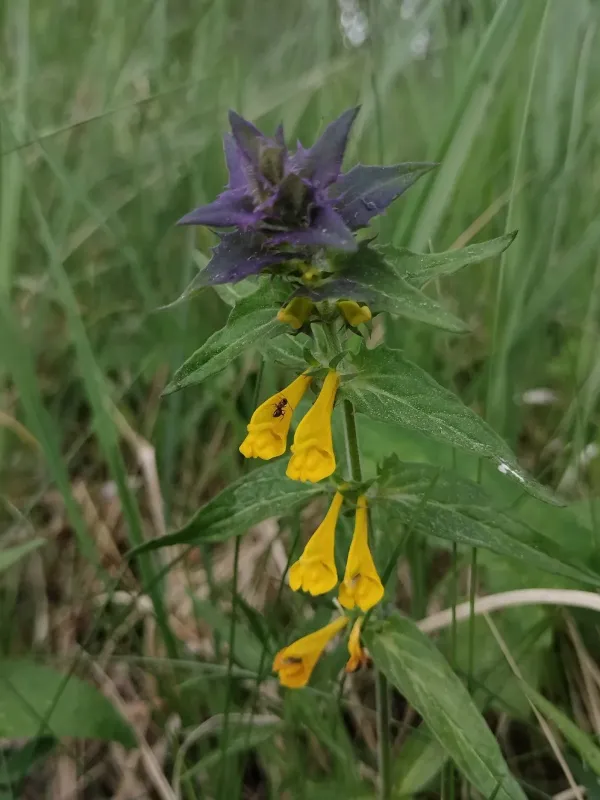
Common cow-wheat (Melampyrum nemorosum) is an annual herbaceous plant belonging to the Orobanchaceae family. It is distinct for its hemiparasitic life strategy, relying on host plants for minerals and water while performing photosynthesis.
The plant is widely distributed across Europe and parts of Asia, typically found in woodland margins, meadows, and partially shaded forest areas. Its roots utilize specialized structures called haustoria to connect with neighboring plant root systems.
Optimal growth conditions for this species include moderately fertile, well-drained soils with balanced pH levels. It thrives in temperate climatic zones and demonstrates significant adaptation to various moisture regimes.
The flowering period usually spans through mid-summer, characterized by striking bracts that protect the flowers. The plant is regarded as a valuable nectar source for bees and various pollinating insects within its habitat.
In agricultural settings, it is often viewed as a weed, especially in pastures. It contains aucubin, a substance that can be toxic to livestock, making it an undesirable component in hayfields and grazing pastures.
Main diseases and pests
Diseases affecting common cow-wheat include various fungal pathogens such as powdery mildew, which can become prevalent in dense populations under high humidity.
Insect pests include several beetle and moth species that consume leaves and bracts. Such infestations can significantly affect the plant's vigor and seed production capabilities.
Environmental threats involve large-scale land drainage and deforestation, which deplete the availability of suitable host plants necessary for the cow-wheat's survival.
Effective management in agricultural landscapes involves mechanical control methods, specifically mowing before the plant sets seeds, to prevent its spread in agricultural fields.
Ongoing research focuses on the plant's ecological impact within diverse grasslands, where it serves as a keystone species influencing the growth of competitive vegetation.