
Fringed cow-wheat
Melampyrum fimbriatum
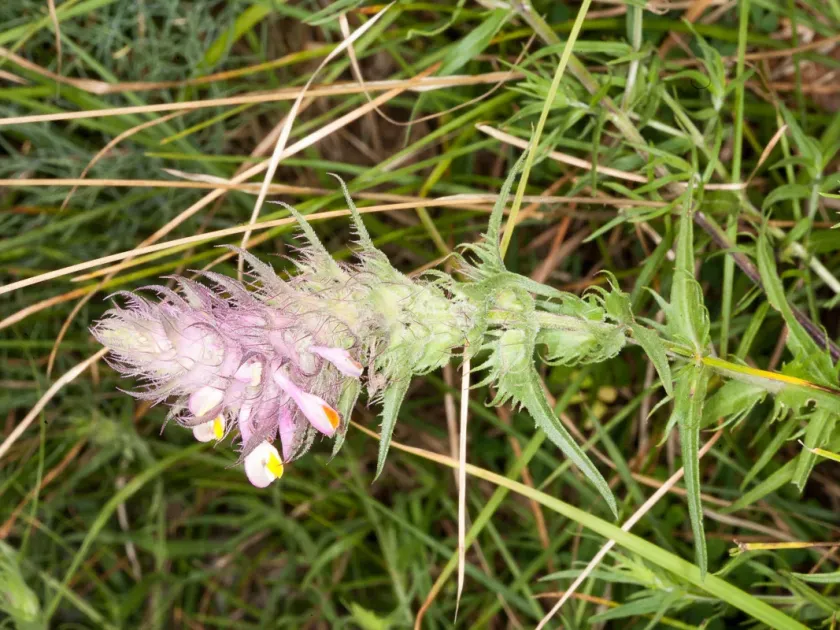
Description
Growing requirements
Fringed cow-wheat (Melampyrum fimbriatum) is a member of the Orobanchaceae family. This species is recognized as a facultative hemiparasite, meaning it can photosynthesize but relies on host plants for additional water and nutrients.
Botanically, the plant is distinguished by its unique floral structure and the development of haustorial connections with the roots of surrounding herbs and grasses. These organs allow it to tap into the vascular systems of host plants for sustenance.
The species is primarily found in forest edges, clearings, and diverse meadow ecosystems where microclimate conditions are moderate. It thrives in environments that provide consistent soil moisture throughout the growing season.
Soil requirements for Melampyrum fimbriatum involve rich, organic-matter-bearing substrates with a tendency towards slightly acidic to neutral pH. Success in establishment is highly dependent on the density and health of potential host root networks.
While not a traditional agricultural crop, its ecological role is significant. It acts as a biological filter in plant communities, influencing the composition of meadow flora and the competitive dynamics between different grass species.
Main diseases and pests
The primary threats to Melampyrum fimbriatum are habitat loss due to industrial agriculture and changes in local hydrological regimes that reduce the availability of moisture in meadow soils.
Disease outbreaks, particularly fungal pathogens such as rusts and mildews, pose a challenge during periods of high humidity. These diseases can significantly reduce the vitality of the plant population.
Insect pests that target seeds and flower parts are common threats. Because the plant relies entirely on seed production for annual reproduction, damage to these structures drastically impacts population growth.
Overgrazing by livestock can lead to the removal of host plants and the physical destruction of Melampyrum populations, disrupting their life cycle before seed dispersal occurs.
Sustainable management of natural grasslands is crucial to ensure the survival of such hemiparasitic species, as they serve as indicators of stable and diverse plant communities.