
Cycnium adoense
Cycnium adoense
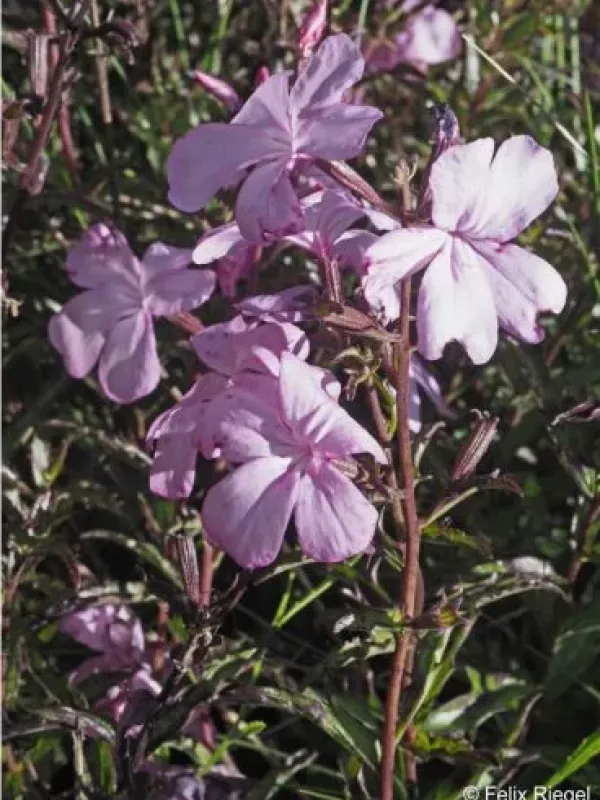
Description
Growing requirements
Cycnium adoense is a distinct hemiparasitic herbaceous plant within the Orobanchaceae family. Unlike obligate parasites, it retains the ability to photosynthesize, yet it relies on attaching to the roots of host plants to supplement its nutrient and water intake, particularly in nutrient-poor savanna soils.
The plant is native to sub-Saharan Africa, with a distribution range that spans across various tropical regions. It thrives in open grasslands and savanna ecosystems, preferring soils that offer excellent drainage to prevent root moisture stress.
Environmental requirements for Cycnium adoense include consistent exposure to sunlight and a climate characterized by distinct wet and dry seasons. It is well-adapted to high temperature regimes, typically ranging between 22 and 30 degrees Celsius during its active growing cycle.
In terms of agricultural and practical utility, Cycnium adoense is recognized for its medicinal applications within local African traditional practices. The plant contains bioactive compounds that have been studied for their potential pharmacological properties, highlighting its ethnobotanical importance.
Cultivation practices for this species are limited, as it requires the presence of compatible host plants to establish a healthy population. Successful management involves maintaining the soil structure and ensuring that the host plants remain vigorous throughout the growing season.
Main diseases and pests
The primary threats to Cycnium adoense involve fungal pathogens that target the root-host interface, especially during periods of excessive rainfall. These pathogens can impede the transfer of nutrients, leading to stunted growth and potentially plant death if left untreated.
Pests, such as soil-borne nematodes, represent a major concern as they directly damage the roots, reducing the plant's ability to maintain its parasitic connection. Additionally, various insects can feed on the foliage, although such attacks are usually secondary to the stress caused by unsuitable soil moisture levels.