
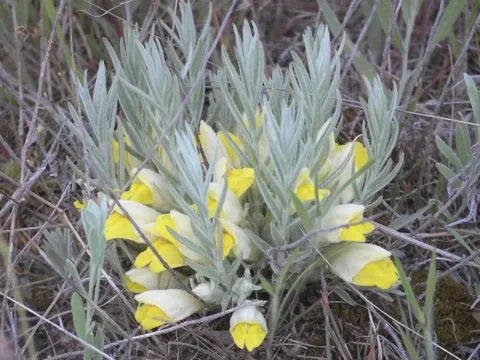
Cymbaria
Cymbaria
Cymbaria is a perennial plant typically propagated by seeds. In an agricultural setting, seeds should be sown in early spring or late autumn, utilizing the natural freeze-thaw cycles to break seed dormancy and ensure successful germination.
What the section contains

Cymbaria
The optimal germination temperature for Cymbaria ranges between 10°C and 15°C. Seeds require a well-prepared, fine-textured seedbed with high drainage capacity, as waterlogged conditions during the germination phase are detrimental to seedling survival.
When starting indoors, use a sandy, nutrient-poor substrate to mimic natural conditions. Once the seedlings reach the four-leaf stage, they are ready for hardening off and subsequent transplanting into the field.
Spacing is a critical factor for long-term health; plants should be spaced at least 30 to 45 centimeters apart to prevent canopy closure and ensure adequate airflow, which reduces humidity-related problems.
Shallow sowing is highly recommended, as Cymbaria seeds are small and possess limited energy reserves for emergence. Covering them with a thin layer of fine sand is sufficient to provide the necessary protection against desiccation.
Belonging to the Orobanchaceae family, Cymbaria thrives in specific habitats, often preferring rocky, well-drained, and nutrient-poor soils. It is highly adapted to semi-arid conditions and demonstrates remarkable drought resistance.
The soil profile should be alkaline or neutral, with a structure that prevents any water stagnation. In agricultural practice, amendments like crushed limestone or coarse sand can be added to improve drainage in clay-heavy soils.
Sunlight is the primary energy driver for this species. Sites chosen for cultivation should receive full sun exposure for at least six to eight hours daily to maintain plant vigor and promote flowering.
Fertilization should be kept to a minimum. Excessive nitrogen inputs often result in weak, succulent growth that is prone to lodging and more susceptible to pathogen attacks, thereby compromising the overall yield.
Regular maintenance involves keeping the soil surface loose and clear of debris. This practice prevents the accumulation of moisture around the root crown, which is the most vulnerable part of the plant.
The primary threats to Cymbaria cultivation are fungal diseases such as root rot and stem blight, which thrive in high-humidity microclimates. Proper drainage is the most effective preventative measure against these pathogens.
Sucking insects, particularly aphids and spider mites, can pose significant challenges by feeding on the sap. Integrated pest management strategies, including the use of biological controls, are preferred over broad-spectrum chemicals.
Weed control is essential during the establishment phase. As a relatively slow-growing plant initially, Cymbaria can easily be suppressed by faster-growing opportunistic weeds, necessitating regular mechanical weeding.
Root-feeding pests, such as wireworms, can damage the underground parts, opening entry points for soil-borne pathogens. Monitoring soil health and crop rotation are standard procedures to mitigate these risks.
In cases of severe infestation, targeted application of specific fungicides or insecticides is necessary. However, growers should always prioritize cultural practices that maintain plant immunity through balanced environmental control.