
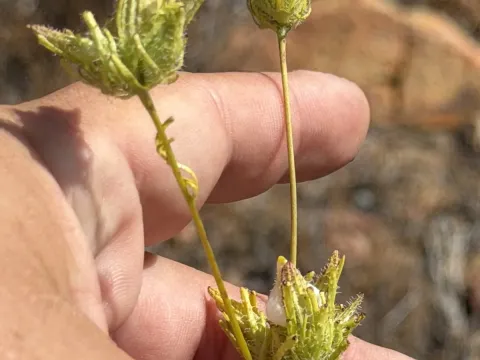
Cordylanthus
Cordylanthus
Sowing Cordylanthus requires careful consideration of its specialized ecological role as a hemiparasite. Seeds are best sown in the autumn, allowing them to experience a natural period of cold stratification before the spring growth cycle begins.
What the section contains

Cordylanthus
It is crucial to plant seeds in close proximity to suitable host plants. Without the chemical cues released by the roots of a compatible host, such as certain species of Artemisia, the germination rate remains extremely low.
The seeds should be sown at a very shallow depth, barely covered with soil, as they require light to trigger the germination process. Adequate surface moisture must be maintained during the initial stages of development.
Container cultivation is possible if the container is large enough to support both the host plant and the Cordylanthus specimen. Providing sufficient space prevents excessive root competition and allows for healthier plant development.
Once seedlings emerge, the focus must shift to ensuring they successfully attach their haustoria to the host roots. This period is the most vulnerable phase of the life cycle, requiring stable environmental conditions.
As a member of the Orobanchaceae family, Cordylanthus thrives in specific environmental conditions. It demands high levels of direct solar radiation and is rarely found in shaded or densely vegetated areas.
Soil composition should be light and sandy, offering exceptional drainage. The plant is highly intolerant of waterlogged conditions, which lead to rapid root decay and loss of the haustorial connection to the host.
The host-parasite relationship is central to the plant's nutritional intake. Cordylanthus relies on its host for water and certain mineral nutrients, meaning the health of the host plant directly influences the vigor of the Cordylanthus.
The ideal climate is characterized by dry summers and mild winters, typical of Mediterranean or desert-fringe ecosystems. It is well-adapted to surviving periods of drought through its parasitic habit.
Agricultural management should prioritize minimal soil disturbance. Excessive fertilization is generally avoided, as it can disrupt the specific subterranean biological signaling between the host and the parasite.
Fungal diseases are the primary threat, often triggered by high humidity levels or poor air circulation around the plants. Powdery mildew can rapidly colonize the foliage under such sub-optimal conditions.
Aphids are the most common insect pest, capable of colonizing the stems and draining vital fluids from the plant. Heavy infestations can lead to stunted growth and reduced seed production for the season.
Caterpillars may cause localized defoliation or flower damage, which impacts the overall reproductive success of the plant. Monitoring for early signs of herbivory is recommended during the peak spring growth phase.
Root pathogens, such as Fusarium species, pose a significant risk when soil moisture is mismanaged. These pathogens destroy the delicate root architecture necessary for the plant's survival.
Management of these threats is best achieved through preventive measures, including selecting well-draining sites and ensuring proper distance between plants to allow for airflow.