
Hauya elegans
Hauya elegans
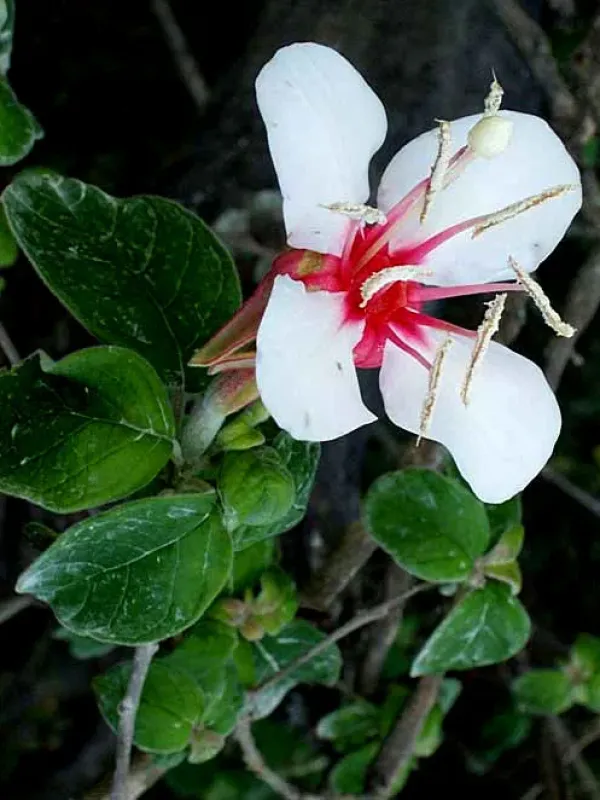
Description
Sowing dates
The propagation of Hauya elegans requires careful attention to seed stratification and preparation. Seeds should be sown in late winter or early spring in a climate-controlled environment to ensure a sufficient period for vegetative development before the transition to outdoor conditions.
A high-quality, sterile potting mix with excellent drainage properties is essential for successful germination. The seeds are placed on the surface and covered with a fine layer of substrate, maintaining high ambient humidity and a steady temperature range of 20-22 degrees Celsius.
After germination, seedlings require a gradual transition to more intense light. Overcrowding in the seedling trays must be avoided to prevent moisture buildup, which can lead to seedling damping-off caused by soil-borne pathogens.
Transplanting into individual pots should occur once the seedlings reach a robust size with several sets of true leaves. This stage is critical for root system development and requires careful handling to avoid disturbing the sensitive taproot.
Hardening off is a mandatory process before moving the plants to permanent outdoor sites. Gradually acclimatizing the plants to wind, varying temperatures, and direct sun helps to build a stronger structure and prepares them for environmental stress.
Growing requirements
Hauya elegans belongs to the Onagraceae family and is native to the tropical montane forests of Mexico and Central America. The plant thrives in environments that mimic these native conditions, characterized by stable humidity and moderate temperatures.
Ideal soil for this culture should be rich in organic matter, slightly acidic to neutral in pH, and well-aerated. The inclusion of inorganic amendments like perlite or grit is recommended to prevent waterlogging and ensure oxygen flow to the root zone.
The plant requires a balanced watering schedule throughout the growing season. While the soil should be kept moist, it must never be saturated, as the species is highly susceptible to root decay when exposed to stagnant water in the substrate.
Nutrient requirements involve regular feeding with a balanced, slow-release fertilizer during the peak growth months. Avoiding high nitrogen levels is crucial to ensure that energy is directed towards bud formation and overall plant health rather than excessive vegetative growth.
Light exposure is a significant factor in successful cultivation. Hauya elegans prefers bright, indirect light; intense midday sun can lead to leaf scorching, while insufficient light levels result in leggy stems and poor flower production.
Main diseases and pests
Root rot is the most common threat to Hauya elegans, often originating from improper irrigation practices. Maintaining a strict drainage protocol is the primary defense, supplemented by the use of preventive fungicides when conditions are humid.
Spider mites are common pests that thrive in the dry air often found in greenhouses or indoor settings. Their feeding activity causes yellowing and eventual defoliation, necessitating regular plant inspections and prompt treatment with miticides if infestations occur.
Powdery mildew may develop if the air circulation around the plants is poor, particularly during periods of high humidity. Improving airflow through proper plant spacing and keeping foliage dry during watering are effective non-chemical control methods.
Aphids can also infest the tender new growth of the plant during the spring. Early detection is key; manual removal or the application of insecticidal soaps can be effective for small populations before they cause significant damage.
General plant vigor is the best defense against various threats. A well-nourished plant, provided with optimal light and appropriate air circulation, remains significantly more resistant to both biotic stressors like pathogens and abiotic stressors like temperature shifts.