
Lavender-leaf evening primrose
Oenothera lavandulifolia
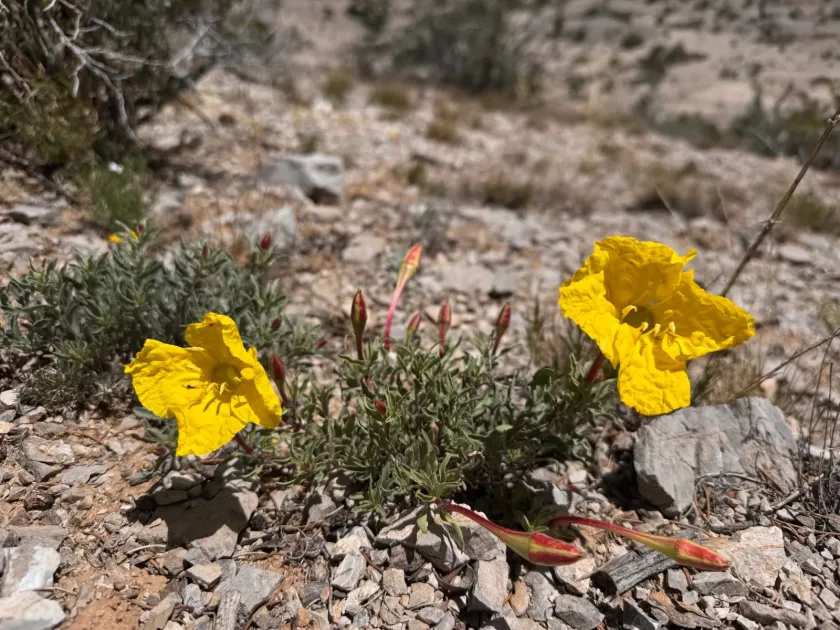
Description
Sowing dates
Sowing lavender-leaf evening primrose is best performed in early spring once the soil has warmed up sufficiently. A location with well-drained, sandy soil is essential for successful germination and early establishment of the young seedlings.
Fall sowing is also a viable option in many climates. By sowing in late autumn, the seeds undergo natural stratification, which often results in more vigorous and uniform germination in the following spring season.
If starting indoors, sow the seeds in late March using a sterile seed-starting mix. The seeds require light for germination, so they should be surface-sown or barely covered with a very thin layer of vermiculite or grit.
Transplanting should be done with care as the plant develops a significant taproot. It is highly recommended to use biodegradable peat pots to minimize root disturbance, which can cause transplant shock and stunted growth.
Space the plants approximately 12 to 16 inches apart in the garden. Proper spacing allows for adequate airflow, which is critical in preventing humidity-related issues that can affect this drought-adapted species.
Growing requirements
Oenothera lavandulifolia is a perennial member of the Onagraceae family. It is native to the arid, rocky landscapes of North America, which dictates its preference for lean, mineral-rich, and extremely well-drained soils.
The plant thrives in full sun exposure and is highly tolerant of intense heat and dry conditions. It is an excellent choice for xeriscaping or rock gardens where other species might struggle due to lack of moisture.
Regarding soil, it is imperative to avoid heavy clay or organic-rich soils that retain too much water. A rocky or gravelly substrate mimics its natural habitat and encourages the development of a healthy, rot-resistant root system.
Climatically, the plant is hardy and adapted to significant temperature fluctuations. It remains evergreen or semi-evergreen in milder climates but will go dormant in colder zones if winter temperatures drop significantly.
Maintenance requirements are minimal once the plant is established. It requires very little supplemental fertilization, as excessive nutrients often result in leggy growth and reduced flowering performance throughout the season.
Main diseases and pests
The most significant threat to lavender-leaf evening primrose is root rot, induced by waterlogged conditions. Ensuring a sloped planting area or a gravel mulch layer can significantly mitigate this risk during periods of heavy rain.
Powdery mildew is a common fungal issue that arises when air circulation is poor or humidity levels remain high for extended periods. Pruning surrounding vegetation can improve airflow and reduce the incidence of infection.
Aphids occasionally infest the developing buds in late spring. While usually not lethal, they can cause deformation. A gentle stream of water or insecticidal soap is typically sufficient to manage these populations effectively.
Occasional infestations of caterpillars may cause cosmetic damage to the foliage. Monitoring the plants regularly during the peak growing season allows for early intervention before damage becomes extensive.
Overall, this species is highly resistant to pests and diseases when provided with the correct environmental conditions. The key to successful cultivation is providing grit, sun, and avoiding over-pampering the plant with irrigation.