
Gray willowherb
Epilobium cinereum
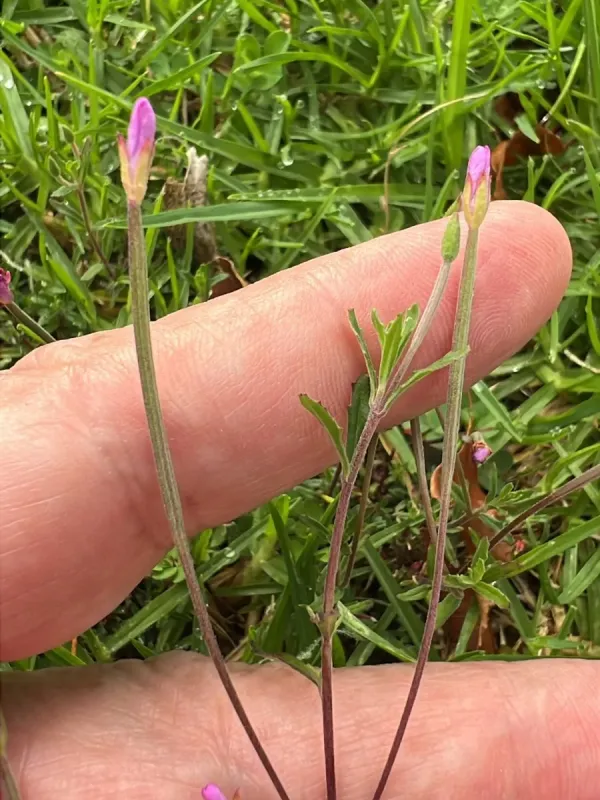
Description
Growing requirements
Gray willowherb (Epilobium cinereum) is a perennial plant species belonging to the Onagraceae family. It is recognized for its robust growth habit and adaptability to various environmental conditions, originating from areas where it typically occupies open, disturbed ground.
The crop thrives in full sun exposure and requires well-drained soil to prevent root issues. Sandy or loamy soil textures are considered ideal, provided they contain sufficient organic matter to support active plant growth throughout the spring and summer seasons.
Environmental requirements for this species include protection from excessive moisture. While the plant shows moderate drought tolerance once established, consistent soil moisture during the early vegetative stage is essential for uniform crop development.
Agronomic management involves periodic weeding and soil cultivation to promote aeration. Fertilization programs should be balanced, focusing on promoting structural development rather than excessive foliage, to ensure the crop remains resilient against mechanical stress.
Economic uses of gray willowherb are largely centered on medicinal applications and landscape restoration projects. Its chemical profile, rich in secondary metabolites, makes it a valuable asset for niche pharmaceutical industries and biodiversity enhancement.
Main diseases and pests
Significant threats to Epilobium cinereum productivity include various leaf-feeding insects, such as caterpillar species, which can cause severe defoliation if left unmanaged during the peak growing period.
Powdery mildew represents a persistent fungal threat in humid environments with limited air movement. Proper plant spacing within rows is a critical agronomic strategy to minimize humidity levels and inhibit fungal spore germination.
Rust diseases may manifest on the underside of leaves, causing stunted growth and lower metabolite yields. Integrated pest management (IPM) practices, including the use of targeted fungicides, are necessary for high-quality production.
Aphid infestations are frequently observed on terminal shoots, leading to nutrient loss and the transmission of viral diseases. Regular scouting is recommended to intervene before the population reaches economic threshold levels.
Root rot pathogens often exploit poor drainage conditions in the field. Maintaining proper soil structure and avoiding waterlogged zones is the primary defense strategy for ensuring the long-term health and vigor of the willowherb plantation.