
Hornemann's willowherb
Epilobium hornemannii
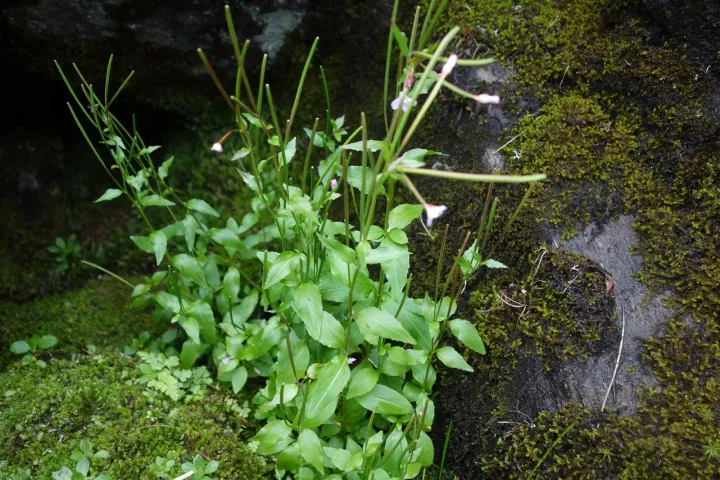
Description
Growing requirements
Hornemann's willowherb (Epilobium hornemannii) is a perennial herbaceous plant belonging to the Onagraceae family. Naturally, it is found in high-latitude regions and mountainous areas, where it thrives in cool and moist environments such as streambanks and damp meadows.
The plant features a slender stem typically reaching 10 to 30 centimeters in height. Its leaves are arranged in opposite pairs, generally having an elliptical shape. The root system is stoloniferous, allowing the plant to spread horizontally in favorable soil conditions.
Cultivation requires specific environmental conditions, primarily consistent soil moisture and cool temperatures. It prefers well-drained but organic-rich soils that retain moisture without becoming waterlogged. Partial shade is often ideal, as excessive direct sunlight can cause wilting in lower humidity conditions.
Agronomic management focuses on mimicking its natural habitat. Regular irrigation is necessary during dry spells to ensure continuous growth. Soil preparation should include the incorporation of organic matter to mimic the fertile, damp soils found in the plant's native ranges.
The plant is mainly utilized for ornamental purposes in naturalistic landscaping, particularly in wetland or rock garden settings. Additionally, members of the Epilobium genus are often studied for their phytochemical properties, adding potential value as a niche botanical crop.
Main diseases and pests
The most common disease threats include fungal infections such as rust and leaf spot, which thrive in stagnant, humid environments. Ensuring proper spacing between plants is crucial to facilitate air movement and reduce humidity around the foliage.
Insect pests include aphids, which frequently target the soft, growing tips of the stems. Their feeding can stunt the plant's development and spread viral pathogens. Leaf-eating beetles also pose a threat during the primary growing season.
Integrated Pest Management (IPM) is recommended to control populations of harmful insects. This involves monitoring for early signs of infestation and using biological control agents, such as predatory insects, before resorting to soft botanical insecticides.
Sanitation practices play a vital role in maintaining the health of the crop. Removing decaying leaves and stems at the end of the season prevents the overwintering of pathogens that could infect the plant in the following year.
Proper weed control is essential for the early stages of development. As a relatively low-growing plant, Epilobium hornemannii can be easily outcompeted by aggressive weeds, necessitating careful, manual weeding or the use of light, non-competitive mulch.