
Oval-leaved privet
Ligustrum ovalifolium Hassk.
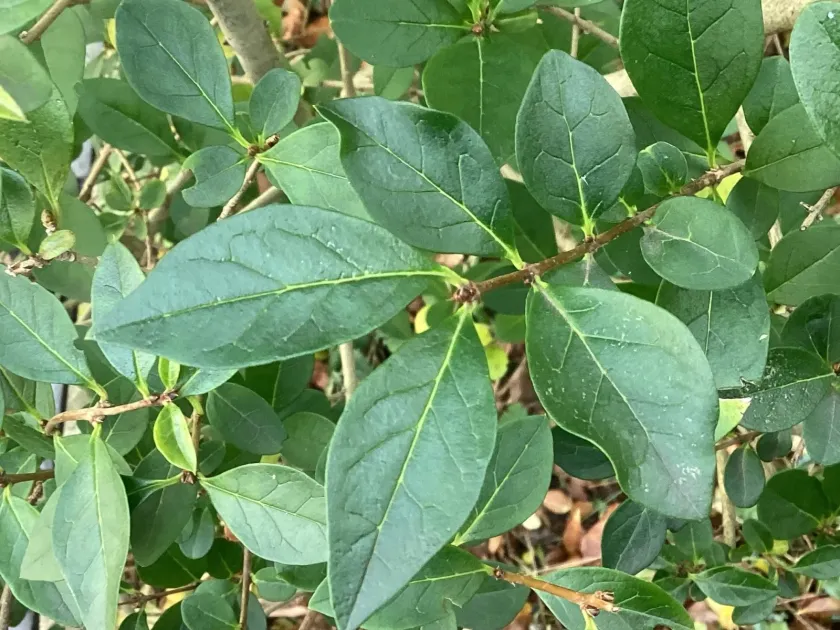
Description
Growing requirements
The oval-leaved privet (Ligustrum ovalifolium) is a semi-evergreen shrub belonging to the Oleaceae family. It is widely recognized in horticulture for its rapid growth rate and ability to form dense, attractive hedges that remain verdant throughout the growing season.
Originating from Japan, this species has become a staple in temperate climates. It thrives in various light conditions, from full sun to partial shade, which makes it highly adaptable for diverse landscape designs in residential and urban areas.
The plant grows best in fertile, well-drained soils with a neutral pH. While it is tolerant of many soil types, it performs poorly in waterlogged conditions. Proper soil preparation, including adding compost or organic matter, is recommended during the planting phase.
Cultivation practices include consistent watering during dry spells and annual spring fertilization to promote lush growth. Pruning is the most critical aspect of maintenance; the plant is exceptionally resilient and can be trimmed into complex topiary shapes.
Privet is primarily utilized as a structural element in landscaping for hedges and screens. Its resilience against air pollution makes it an excellent candidate for city parks and roadside plantings where environmental stressors are high.
Main diseases and pests
Powdery mildew and leaf spot are the most prevalent diseases. These conditions are typically triggered by poor air circulation within the hedge and excessive humidity during stagnant weather periods.
Common pests include privet hawkmoth larvae, which can defoliate portions of the shrub. Aphids and spider mites may also appear during hot, dry spells, causing visible damage to the foliage.
Management strategies involve applying appropriate fungicides at the first sign of fungal activity. Ensuring proper spacing during planting helps minimize the recurrence of these ailments in subsequent years.
Pest control is achieved through the use of targeted insecticides or biological controls. Manual removal of large larvae is often effective for small-scale plantings in private gardens.
Maintaining a healthy plant through proper nutrition and balanced watering reduces its susceptibility to infestation. Regular inspection of the undersides of leaves is advised for early detection.