
Chinese privet
Ligustrum sinense Lour.
Description
Growing requirements
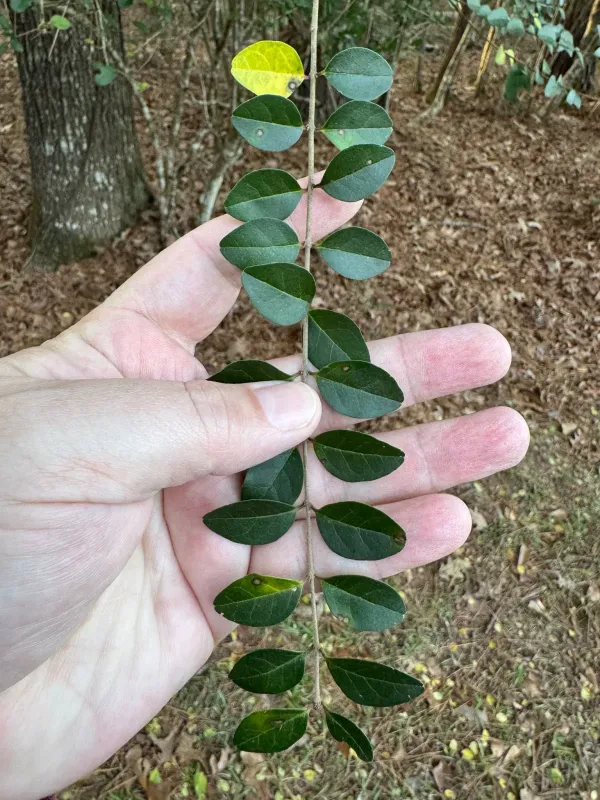
Chinese privet (Ligustrum sinense Lour.) is a perennial shrub belonging to the Oleaceae family. It is recognized for its rapid growth rate, reaching heights of several meters, and its dense, semi-evergreen foliage.
Originating from East Asia, specifically China, this species has been introduced to various temperate and subtropical regions worldwide. Its cultivation is primarily driven by its versatility in landscaping and its ability to adapt to diverse ecological conditions.
Regarding soil requirements, Chinese privet performs best in well-drained, fertile soils with a neutral or slightly acidic pH. It is notably resilient to different lighting conditions, thriving in both full sun and partial shade environments.
The agronomic management of this culture focuses on regular pruning. The plant is exceptionally tolerant of shearing, making it an excellent candidate for formal hedges, topiary, and screening applications in both public and private green spaces.
Economically, it serves as a valuable asset for soil stabilization and privacy screening. However, due to its vigorous growth and ability to spread, it is often classified as an invasive species in certain regions, requiring strict management practices.
Main diseases and pests
Chinese privet is susceptible to several fungal diseases, particularly leaf spot and root rot, which typically arise in poorly drained or waterlogged soils. These conditions compromise the root system and reduce the overall vigor of the shrub.
Common insect pests include aphids, scale insects, and spider mites. These pests feed on the foliage and tender stems, which can lead to leaf yellowing, stunting, and the development of sooty mold on the leaf surface.
Chemical control measures, including the application of fungicides and horticultural oils or systemic insecticides, are effective when utilized in accordance with agricultural standards. Integrated Pest Management (IPM) is the preferred approach for long-term health.
Cultural control is equally vital, specifically maintaining proper plant spacing to ensure adequate air circulation. Pruning away infected branches and debris is essential for reducing the inoculum load of fungal pathogens.
Regular scouting and monitoring during the growing season are crucial for early detection of pest outbreaks. Maintaining optimal plant nutrition and watering schedules further strengthens the plant's resistance against environmental and biological stresses.