
Border privet
Ligustrum obtusifolium Siebold & Zucc.
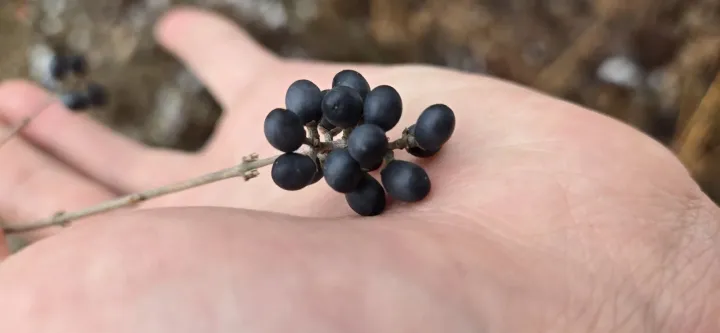
Description
Growing requirements
Border privet (Ligustrum obtusifolium) is a deciduous shrub belonging to the Oleaceae family. It is native to East Asia, primarily found in the natural landscapes of Korea, Japan, and parts of China, where it grows in woodland margins and open thickets.
This species is highly regarded for its adaptability and cold hardiness, making it suitable for a variety of temperate climates. It thrives in full sun but can successfully tolerate partial shade, maintaining its structure and density throughout the growing season.
Regarding soil requirements, Border privet is quite versatile. While it prefers moist, fertile, and well-drained soil, it shows remarkable tolerance for a range of soil types, including those with varying pH levels and occasional short-term waterlogging.
The agricultural management of this shrub relies heavily on regular pruning. Its ability to tolerate hard clipping makes it an ideal candidate for formal hedges, topiary, and landscape design projects, where dense, uniform growth is desired.
Beyond its ornamental value, the plant is used for erosion control on slopes and as a windbreak. Its dense branching habit provides excellent habitat for various bird species, contributing to local biodiversity in suburban and park settings.
Main diseases and pests
The plant can be susceptible to fungal diseases such as leaf spots and root rot, which often occur when the planting site has poor air circulation or excessive moisture levels.
Common pests include aphids, scale insects, and various leaf-eating caterpillars. These pests can weaken the shrub, causing stunted growth and reducing its overall aesthetic appeal if left untreated.
Management of these threats involves monitoring the foliage during the active growing period and ensuring that the shrub is not overcrowded, which helps minimize humidity-related issues.
Good cultural practices, such as clearing fallen leaves in autumn and maintaining proper irrigation regimes, are essential for preventing the accumulation of pathogens in the garden soil.
- Pruning out damaged or diseased branches
- Monitoring for aphid infestations on new shoots
- Applying organic mulch to retain soil moisture
- Using appropriate insecticides only when necessary