
Ibota privet
Ligustrum ibota Siebold
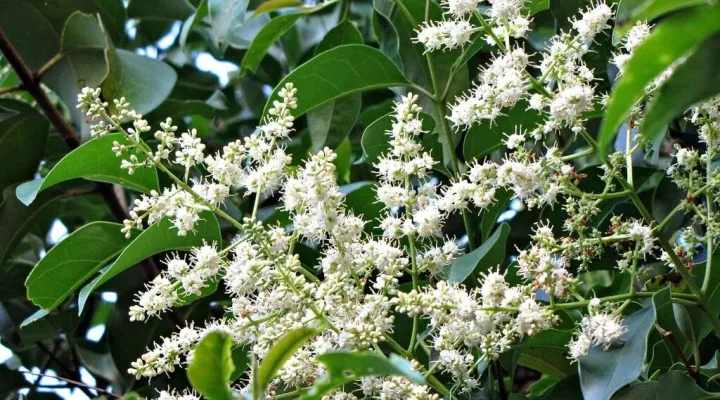
Description
Growing requirements
Ibota privet (Ligustrum ibota) is a deciduous shrub belonging to the Oleaceae family. Native to regions in East Asia, including Japan and China, this plant is widely recognized for its high adaptability and dense foliage, making it a staple in landscape design and ornamental gardening.
This species thrives in a variety of environmental conditions but performs best in full sun or light shade. While it shows remarkable tolerance to urban pollution, it requires sufficient light to maintain the density of its crown. Providing a location with good air circulation is essential for optimal health.
Regarding soil requirements, Ibota privet prefers fertile, well-drained soils with a neutral pH. While it is quite versatile, it does not perform well in waterlogged conditions, which can stress the root system. Amending the soil with organic matter at planting time encourages rapid establishment.
The climate requirements of this shrub are moderate, as it possesses excellent cold hardiness. It is well-suited for temperate regions where winter temperatures can drop significantly. Its ability to recover from minor winter damage ensures long-term viability in diverse geographical settings.
Agrotechnical management primarily involves regular pruning to maintain the desired shape, especially for hedges. Fertilizing in early spring provides the necessary nutrients for a lush growth cycle. Irrigation is recommended during the first year of planting and during prolonged dry spells to ensure steady development.
Main diseases and pests
Powdery mildew is a common fungal threat to Ibota privet, especially in humid and stagnant air conditions. Symptoms include a white powdery substance on the leaves. Increasing spacing between plants and ensuring good sunlight exposure are effective cultural practices to minimize risk.
Aphids are frequent pests that congregate on tender new growth, causing leaf curling and reduced vitality. If infestations become heavy, systemic insecticides are effective for control. Early detection through regular visual inspections allows for prompt treatment before the damage becomes extensive.
Leaf-eating caterpillars can occasionally cause aesthetic damage by creating holes in the foliage. Hand-picking is often sufficient for small shrubs, while larger hedges may require biological or chemical control if the population levels threaten the health or visual appeal of the planting.
Chlorosis, often indicated by yellowing leaves with green veins, may suggest nutritional deficiencies, particularly iron or magnesium. Testing the soil pH and adjusting as necessary is a critical part of corrective maintenance, ensuring the plant can effectively absorb essential minerals.
Root health is vital for the overall vigor of the plant. Avoiding excessive irrigation and preventing soil compaction help keep the roots oxygenated. Maintaining a healthy growing environment naturally minimizes susceptibility to various soil-borne pathogens and increases the longevity of the shrub.