
Ptychopetalum olacoides
Ptychopetalum olacoides
Description
Growing requirements
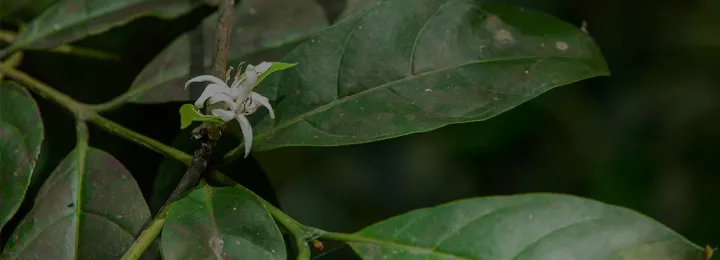
Ptychopetalum olacoides is a perennial shrub belonging to the Olacaceae family. It is indigenous to the dense tropical forests of the Amazon basin, thriving in the warm and humid climates of countries like Brazil, Guyana, and French Guiana, where it grows as part of the forest understory.
The crop demands a tropical environment with constant high temperatures and humidity levels. Successful cultivation requires a warm, frost-free climate where temperatures rarely drop below 20 degrees Celsius, alongside consistent moisture availability throughout the entire year.
Regarding soil requirements, this plant prefers well-draining, acidic, and humus-rich soils. It is essential to ensure that the growing medium mimics the forest floor’s composition, providing adequate nutrients and preventing water logging, which the plant’s sensitive root system cannot tolerate.
Agronomic management involves shading the plants during their early stages of development. Ptychopetalum olacoides performs best in partial shade, as excessive direct sunlight can cause leaf stress and reduce the plant's overall vitality and secondary metabolite production.
The plant is highly valued for its bark and roots, which contain active ingredients used in herbal medicine. Known locally as 'marapuama', the extract from the plant is traditionally utilized for its tonic and adaptogenic properties, making it an interesting niche crop for medicinal plant producers.
Main diseases and pests
Fungal diseases represent the most significant threat to Ptychopetalum olacoides crops, especially in high-humidity environments. Leaf spot and root rot are common issues caused by pathogens that thrive in stagnant water conditions and poor airflow environments, requiring careful monitoring.
Pests such as mealybugs, scale insects, and spider mites often infest the leaves and stems of the shrubs. These pests can rapidly proliferate, causing significant damage to the plant's physiological functions and reducing the biomass yields, which affects the economic return of the crop.
Implementing an integrated pest management (IPM) strategy is crucial for this crop. Regular inspection of the plant canopy and the underside of leaves is necessary to detect early stages of infestation. Biological control agents are preferred to maintain the organic integrity of the medicinal harvest.
Proper field maintenance is vital for disease prevention. Ensuring adequate spacing between plants allows for improved air circulation, which helps manage humidity levels and reduces the incidence of fungal outbreaks that are common in dense planting schemes within tropical zones.
Root system health should be protected through strict sanitation and the use of sterile growing mediums. Soil-borne nematodes and pathogens can lead to plant decline, making soil testing and the selection of disease-free sites the cornerstones of a successful agronomic strategy for this species.