
Heisteria silvianii
Heisteria silvianii
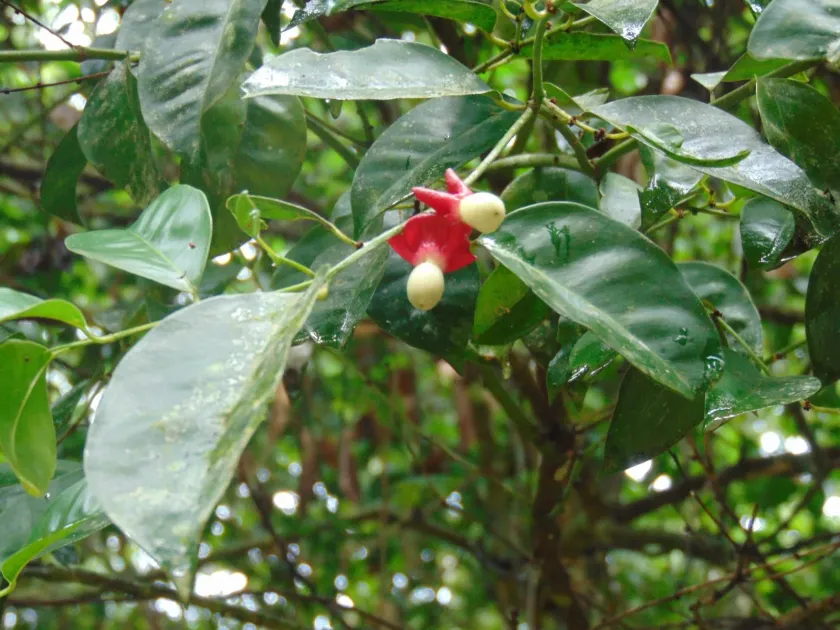
Description
Growing requirements
Heisteria silvianii is an evergreen woody plant belonging to the Olacaceae family. Native to the lush tropical rainforests of South America, this species has evolved to thrive in warm, humid microclimates with significant rainfall.
The plant requires deep, nutrient-rich soils that possess excellent drainage capabilities to avoid waterlogging. In its natural habitat, it grows in the understory, suggesting that it prefers filtered light conditions rather than intense, direct sunlight during its early growth stages.
Temperature stability is critical for the health of this species. It performs best in temperatures ranging from 22 to 28 degrees Celsius, making it highly susceptible to cold damage and unable to survive in frost-prone regions.
Agricultural management should focus on maintaining a moist soil environment using mulching techniques. This practice not only keeps the root zone cool but also mimics the natural forest floor conditions necessary for the plant's symbiotic soil relationships.
Economic uses of the species are primarily linked to forestry and traditional knowledge of tropical biodiversity. It is currently being studied for potential applications in sustainable timber management and unique botanical product extraction.
Main diseases and pests
The primary threats to Heisteria silvianii include various fungal pathogens that flourish in high-humidity environments. These pathogens frequently target the root system, particularly when soil drainage is insufficient, leading to rapid plant decay.
Insects, particularly tropical beetles and mites, represent a significant threat to the foliage and bark of the plants. If left unmanaged, these infestations can severely impact the vigor and overall biomass production of the plantation.
Environmental stressors such as extreme flooding can exacerbate disease pressure by stressing the root system. Consequently, water management systems are essential to maintain the long-term viability of the agricultural site.
Biosecurity measures are vital to prevent the introduction of invasive pests that could exploit the specific ecological niche of this species. Regular monitoring and diagnostic field inspections are recommended for effective management.
Sustainable cultivation strategies incorporate biological control agents to mitigate the impact of pests without harming the local ecosystem. Promoting biodiversity within the plantation area helps maintain natural checks on potential disease outbreaks.