
Daurian moonseed
Menispermum dauricum
Description
Sowing dates
Propagation of Daurian moonseed is effectively carried out using seeds or by dividing mature rhizomes in the early spring before the start of the active vegetation phase.
Seeds require a prolonged period of stratification to break dormancy; therefore, sowing in the autumn directly into the ground is the most natural method for germination.
If sowing is planned for the spring, seeds must be kept in moist medium at cold temperatures for approximately 8 to 12 weeks to ensure a high success rate.
When using rhizome cuttings, ensure that each segment contains at least one or two active vegetative buds, which will promote rapid establishment in the new location.
Proper site preparation includes loosening the soil to a depth of 30 centimeters and incorporating organic matter to provide essential nutrients for the young plant.
Growing requirements
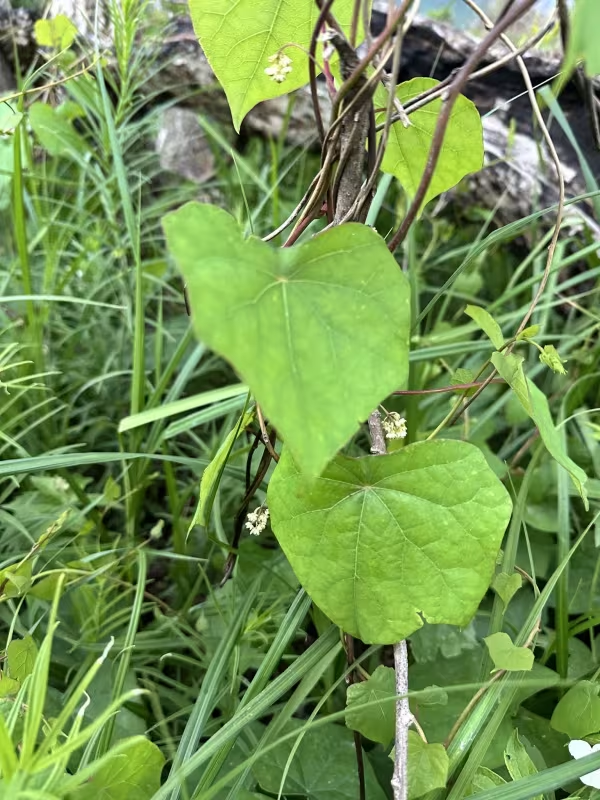
Menispermum dauricum, commonly known as Daurian moonseed, is a deciduous woody vine belonging to the Menispermaceae family, native to East Asia, including Russia, China, and Japan.
The plant is highly valued for its vigorous growth, reaching several meters in height, and is ideal for covering trellises, fences, or walls in temperate garden landscapes.
It prefers well-drained, fertile soil and shows excellent adaptability to various light conditions, thriving in full sun as well as deep partial shade.
While the plant is quite hardy and frost-resistant, it thrives best when protected from extreme, drying winds that can damage young shoots in the early spring.
The species is dioecious, meaning male and female flowers occur on separate plants; therefore, both sexes are needed if fruit production is intended for ornamental value.
Main diseases and pests
Daurian moonseed is generally robust, but it can be susceptible to powdery mildew during periods of high humidity and poor airflow within the dense foliage canopy.
Spider mites are the most common pests, particularly in dry and hot conditions, which can be managed by ensuring adequate plant hydration and proper site aeration.
Root rot can occur if the soil is consistently waterlogged, highlighting the necessity of planting the vine in areas with naturally good drainage or raised beds.
Pruning is an essential maintenance task to prevent overcrowding, which helps reduce the risk of fungal infections and promotes better exposure to sunlight.
Gardeners must be aware that the plant is considered toxic if ingested, necessitating careful handling and placement away from areas accessible to pets or small children.