
Tristemma mauritianum
Tristemma mauritianum
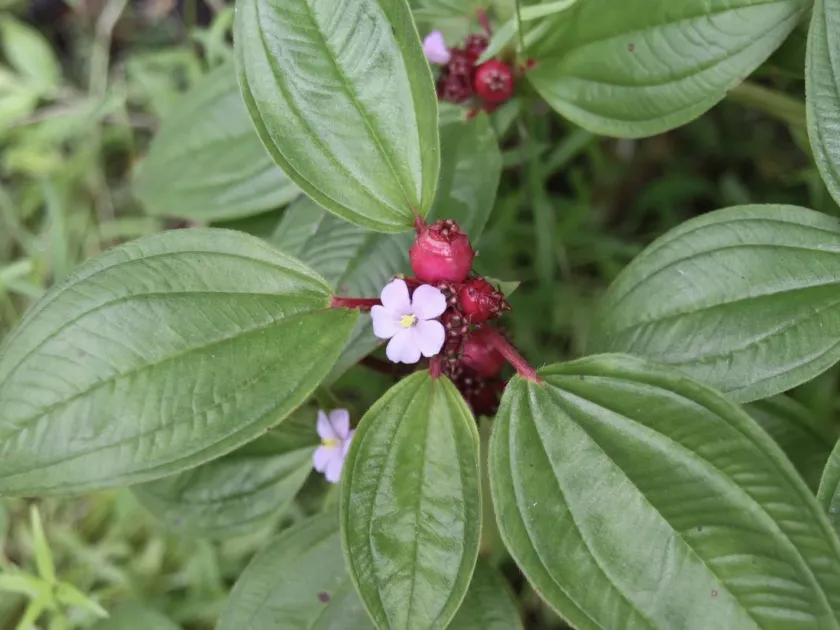
Description
Growing requirements
Tristemma mauritianum is a perennial shrub belonging to the Melastomataceae family. This species is native to tropical Africa and various islands of the Indian Ocean, typically thriving in moist forest margins and secondary vegetation zones.
The plant requires a warm and humid environment to flourish. It is highly sensitive to frost, necessitating a climate where temperatures remain above the biological zero point throughout the entire growing season.
Regarding soil preferences, it favors acidic to neutral substrates that are rich in organic matter. Proper drainage is essential, as the roots are prone to oxygen deprivation if the substrate remains waterlogged for extended periods.
Light management is a key factor in successful cultivation. While the plant can tolerate some morning sun, it prefers bright, filtered light. Too much direct exposure often leads to leaf scorching and premature foliage drop.
In terms of agricultural and practical application, this plant is valued for its traditional medicinal properties. Extracts are commonly studied for their secondary metabolites, which exhibit potential antimicrobial and anti-inflammatory activities.
Main diseases and pests
Fungal pathogens represent the most significant threat to the health of Tristemma mauritianum. Leaf spot diseases are particularly prevalent in greenhouses where humidity levels are kept consistently high without sufficient airflow.
Insect pests, specifically aphids and spider mites, can severely compromise the plant's health. These pests congregate on the tender undersides of leaves, causing chlorosis and a significant reduction in photosynthesis.
Early intervention is critical when dealing with infestations. Using horticultural oils or insecticidal soaps can be effective for initial control, provided the application covers both sides of the leaf surfaces thoroughly.
Root-rot pathogens, such as Phytophthora or Pythium, are common risks when soil management is poor. These pathogens take advantage of root systems damaged by lack of aeration in overly compacted potting media.
Maintaining a clean growing environment by removing fallen leaves and debris is an effective cultural control method. This practice reduces the presence of dormant fungal spores and limits the hiding spots for opportunistic pests.