
Tristemma virusanum
Tristemma virusanum
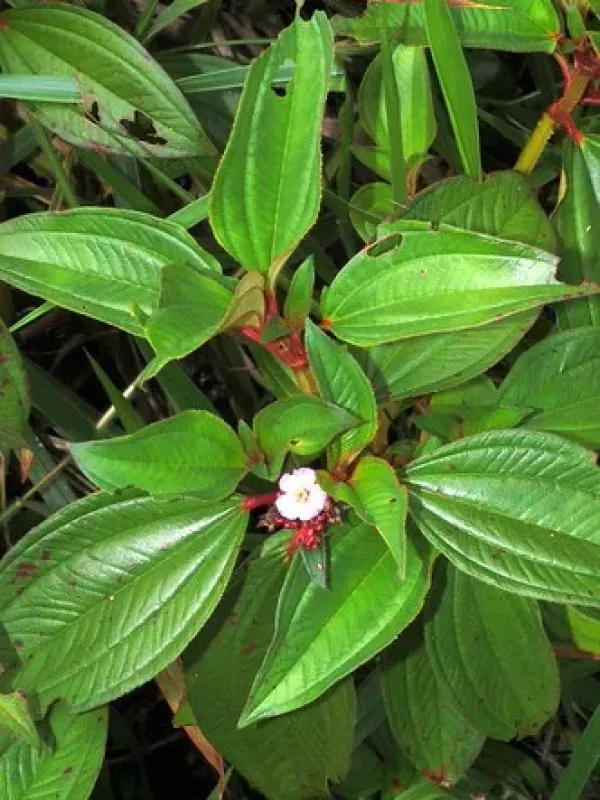
Description
Growing requirements
Tristemma virusanum requires a stable tropical climate with temperatures consistently between 22°C and 28°C. It is sensitive to thermal fluctuations and should be protected from cold winds that can damage tender shoots and disrupt its growth cycle.
The soil requirements are specific: it thrives in well-drained, fertile substrates with a slightly acidic pH. Incorporating organic matter during the land preparation stage significantly improves growth, as the root system benefits from a humus-rich, loose soil structure.
Regarding sunlight, the plant prefers bright but filtered light. Direct tropical sun can lead to leaf scorching, so providing artificial shade or positioning plants under a light canopy is recommended for optimal vegetative development.
Maintaining high air humidity (70–85%) is essential for this species. In a controlled cultivation environment, the use of irrigation systems that provide constant moisture without waterlogging the roots is the most effective approach.
Balanced fertilization, particularly during the flowering season, ensures high-quality output. Applying micronutrients helps in enhancing the overall structural integrity of the stems, preventing lodging and promoting uniform flower head formation.
Main diseases and pests
Fungal pathogens such as powdery mildew represent a significant threat to Tristemma virusanum, especially in greenhouses with restricted airflow. These infections can quickly spread across the foliage, causing chlorosis and stunted growth.
Pests such as spider mites and whiteflies are common issues in tropical cultivation. They exploit the soft tissue of the plant to feed, which leads to leaf deformation and potential transmission of latent viral pathogens if not treated promptly.
Root rot is often caused by poor drainage or the use of heavy, compacted soil. Once the root system is compromised, the plant struggles to recover, making the selection of a light, porous growth medium a priority for any farmer.
Integrated Pest Management (IPM) is highly recommended for this crop. Relying on predatory mites and biological fungicides helps control pest populations without harming the plant's delicate tissues or the surrounding environment.
Regular sanitation, including the removal of dead leaves and infected stems, is necessary to minimize the risk of secondary infections, ensuring a healthy and productive crop throughout the growing season.