
Triolena pileoides
Triolena pileoides
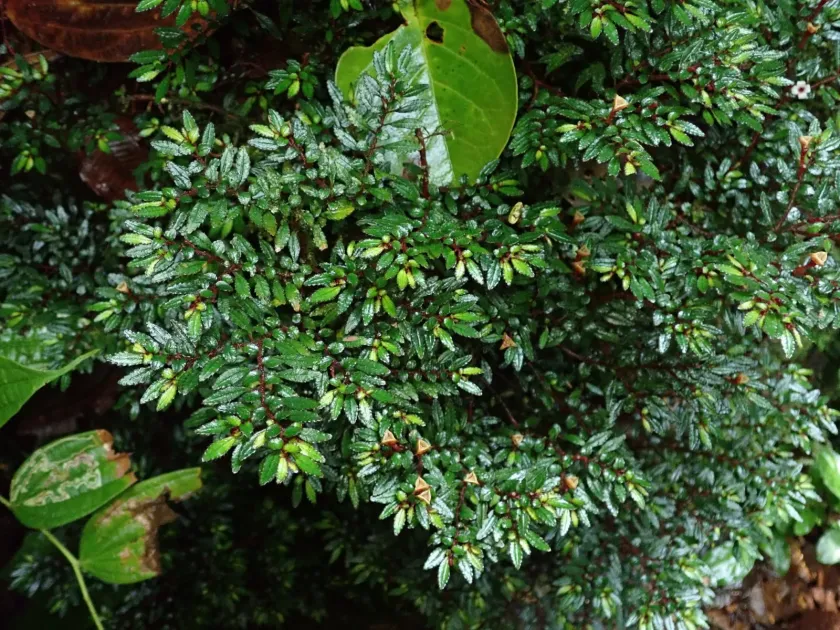
Description
Growing requirements
Triolena pileoides belongs to the Melastomataceae family and is a distinctive tropical perennial originating from the understory of rainforests in Central and South America. Its primary value lies in its ornamental foliage and unique growth habit.
The plant thrives in environments that mimic its native habitat. It requires consistent temperatures ranging from 20°C to 25°C. Exposure to temperatures below 15°C can cause significant physiological stress, often leading to leaf drop and stunted growth.
High humidity is essential for the healthy development of this species. Relative humidity levels should ideally be maintained between 70% and 80%. If the ambient humidity is too low, the leaf margins may become brittle and turn brown.
The ideal growing medium is a well-draining, acidic, and organic-rich substrate. A blend of peat moss, pine bark, and perlite provides the necessary structure, allowing the roots to breathe while maintaining optimal moisture levels.
Lighting should be bright but strictly indirect or filtered. Triolena pileoides is highly susceptible to leaf scorching if exposed to direct sunlight, especially during the midday hours in summer months.
Main diseases and pests
The most common pests affecting Triolena pileoides include spider mites and mealybugs. These pests thrive in environments where air circulation is poor and humidity levels are inconsistent, necessitating regular monitoring.
Root rot represents a significant threat, usually caused by overwatering or poor drainage within the pot. Maintaining a balance between moisture and aeration is critical to preventing the proliferation of soil-borne pathogens.
Leaf spot diseases, often caused by fungal or bacterial pathogens, may occur if water remains on the leaves for extended periods. It is advisable to keep the foliage dry during irrigation to mitigate these risks.
Effective management includes implementing a strict quarantine for new plants and utilizing clean, sterile potting mixes to avoid the introduction of pests or diseases into the growing environment.
If chemical interventions are necessary, organic-based insecticidal soaps or systemic fungicides should be applied carefully, as the foliage of this species can be sensitive to aggressive chemical treatments.