
Triolena pustulata
Triolena pustulata
Description
Growing requirements
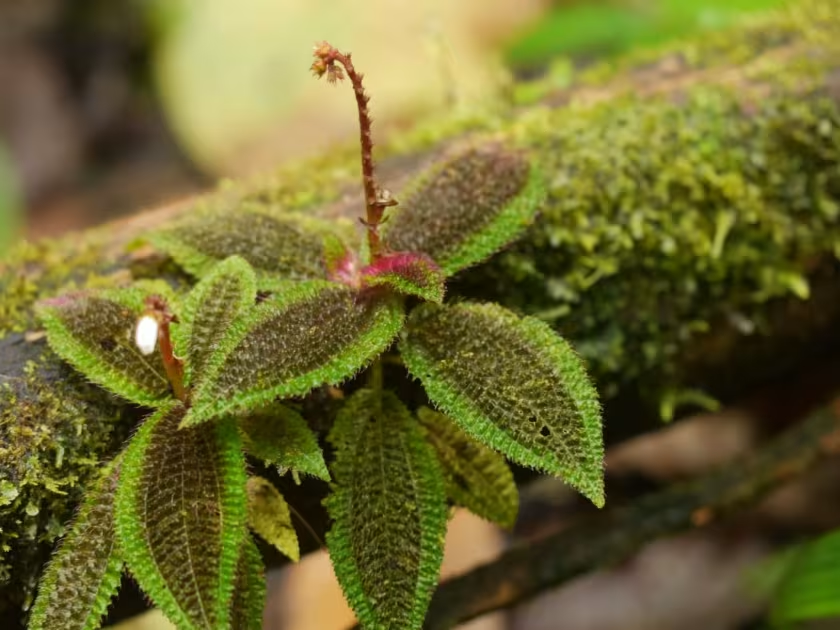
Triolena pustulata is a remarkable ornamental species belonging to the Melastomataceae family, native to the tropical rainforests of Ecuador and Peru. It is highly prized by collectors for its deeply textured, wrinkled leaves that often display metallic or purple iridescence.
To thrive in cultivation, this plant requires high humidity levels, ideally above 60%. It is best suited for growth in terrariums or humid greenhouse environments where stable moisture levels can be maintained without exposing the foliage to dry indoor air.
The ideal temperature range for Triolena pustulata is between +20°C and +26°C. It is sensitive to cold drafts and sudden temperature fluctuations, which can cause leaf drop or significant stress to the plant's delicate root system.
A well-draining, slightly acidic substrate is essential for this species. A blend consisting of high-quality peat, perlite, and fine bark is typically recommended to provide the necessary aeration while holding sufficient moisture to keep the roots hydrated.
Regarding light, this plant prefers bright, indirect sunlight. Strong direct sun should be avoided, as it can quickly bleach the vibrant colors of the leaves or cause permanent scorching, particularly on young foliage.
Main diseases and pests
The most common pest affecting Triolena pustulata is the spider mite, especially if the surrounding air becomes too dry. Early detection is key, and regular inspection of the leaf undersides is recommended to keep pest populations under control.
Root rot is the most prevalent disease, triggered by waterlogged conditions and poor drainage. Ensuring that the potting medium remains damp but never soggy is the primary cultural practice to prevent fungal pathogen outbreaks in the root zone.