
Rhexia virginica
Rhexia virginica
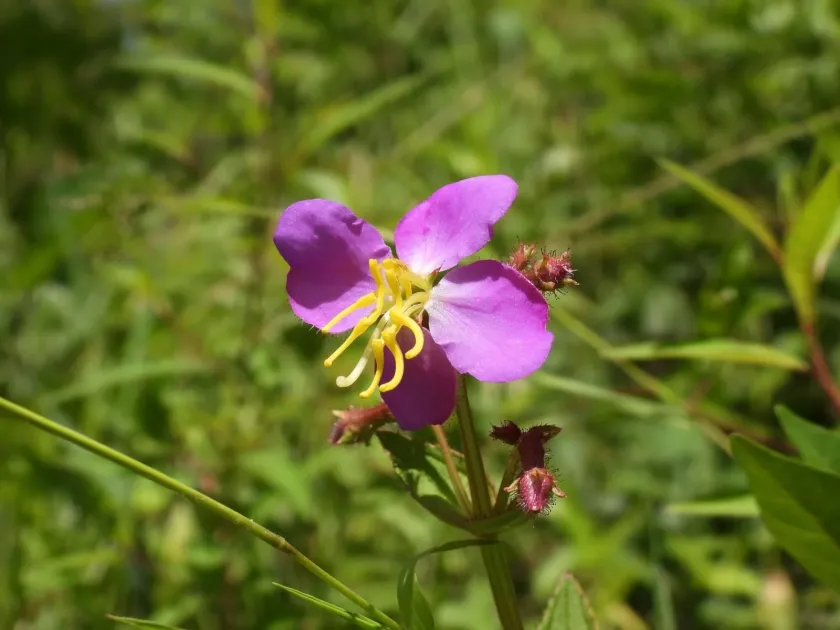
Description
Sowing dates
Rhexia virginica, commonly known as meadow beauty, is typically propagated from seed sown in early spring, requiring a cold stratification period of at least two months to break dormancy.
The seeds are minute and should be sown on the surface of a moist, acidic, peat-based substrate, as they need light to germinate successfully.
Maintaining high humidity is crucial during the germination phase; covering the seed tray with plastic or glass helps to create a consistent microclimate.
Seedlings develop slowly, requiring consistent moisture and protection from direct, scorching sunlight until they establish a robust root system.
Vegetative propagation via rhizome division is also possible and is best performed in the spring, ensuring each division has healthy buds and roots.
Growing requirements
Belonging to the Melastomataceae family, Rhexia virginica thrives in acidic, boggy, or consistently damp soils, making it an excellent choice for wet garden areas.
The plant requires full sun to light shade; however, in warmer climates, afternoon shade is highly beneficial to prevent the foliage from wilting.
Soil composition should lean towards organic-rich peat mixed with sand to ensure the acidic pH balance that the species naturally demands in its habitat.
Consistent moisture is the primary requirement; the soil must never be allowed to dry out completely, or the plant will quickly suffer from dehydration.
The species is hardy in most temperate zones but benefits from winter mulch in northern climates to protect its rhizomes from deep ground freezes.
Main diseases and pests
The most common health issues for this species involve root rot, which is almost exclusively caused by poorly drained soil or excessive, stagnant moisture in cooler temperatures.
Powdery mildew may occur on the leaves if airflow is restricted, particularly in humid or crowded greenhouse environments where ventilation is inadequate.
Aphids can occasionally infest the young flower buds and tender shoots, which should be managed with insecticidal soaps or biological control agents.
Spider mites are a potential threat during hot and dry spells, necessitating frequent foliage misting to deter their colonization of the plant tissue.
Regular sanitation, such as removing fallen debris and dead foliage around the base of the plant, significantly reduces the pressure from fungal pathogens.
Harvesting
The harvesting of Rhexia virginica seeds occurs in late summer or early autumn once the seed capsules have turned brown and reached maturity.
Carefully snip the flower stalks before the capsules dehisce to ensure the seeds are captured effectively rather than being scattered by wind.
Place the collected stalks in breathable paper bags to allow them to complete the drying process in a warm, dry area away from direct sunlight.
Once dry, the seeds can be easily shaken from the capsules; pass them through a fine mesh screen to remove residual plant material.
For ornamental use, stems should be harvested when the first few flowers on the stalk have opened, providing a vibrant display in floral arrangements.