
Rhexia alifanus
Rhexia alifanus
Description
Growing requirements
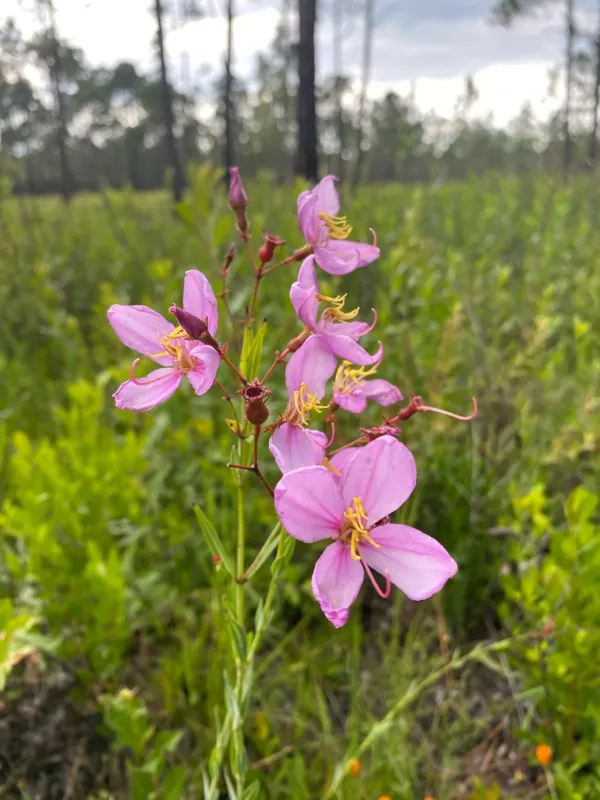
Rhexia alifanus, commonly referred to as the meadow beauty, is a member of the Melastomataceae family native to the southeastern United States. It is a perennial wildflower known for its vibrant pink petals and distinctive bright yellow stamens.
The plant thrives in moist, acidic soils and is typically found in wet meadows, pine flatwoods, and along the margins of bogs. In a garden setting, it requires a site that remains consistently damp throughout the growing season without becoming stagnant.
Soil quality is paramount; it should be acidic with a sandy or peaty texture to ensure proper drainage while holding moisture. Amending garden beds with organic matter and pine needles can help maintain the required low pH levels for optimal growth.
Full sun is necessary for the plant to produce its characteristic abundant blooms. While it can tolerate partial shade in hotter climates, lack of sufficient light generally leads to lanky growth and a reduction in flower density.
In terms of usage, Rhexia alifanus is an excellent choice for bog gardens, rain gardens, or as a focal point in landscapes where constant moisture can be maintained. Its aesthetic appeal makes it highly desirable for native plant enthusiasts.
Main diseases and pests
Slugs and snails are the most prevalent pests that target the foliage of Rhexia alifanus. Early detection and the use of physical barriers are effective ways to protect the plant during its active growth phases in spring.
Fungal leaf spots can occur when the humidity is high and airflow around the plant is restricted. To mitigate this risk, it is important to provide sufficient spacing between individual plants in the garden.
Chlorosis, indicated by yellowing leaves with green veins, typically points to a pH imbalance in the soil. Regular monitoring of acidity levels ensures that the plant can effectively uptake necessary nutrients from the substrate.
Root rot is a significant danger if the soil structure becomes too heavy or compacted, preventing oxygen from reaching the roots. Maintaining a light, porous soil mix is essential for long-term health.
While the plant is quite hardy, severe winter fluctuations can damage its rhizomes if not properly protected with mulch. A consistent layer of organic mulch helps stabilize soil temperatures during the dormant season.