
Maryland meadow beauty
Rhexia mariana
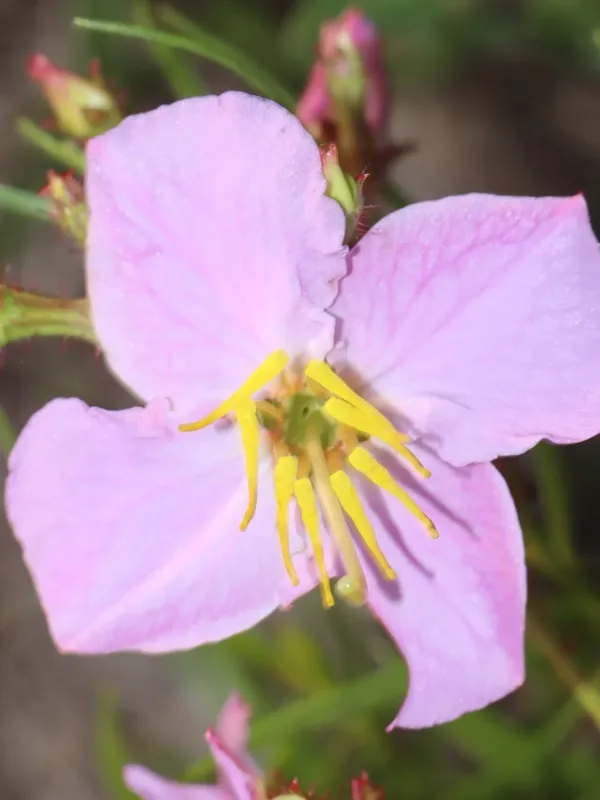
Description
Sowing dates
Maryland meadow beauty (Rhexia mariana) is a herbaceous perennial member of the Melastomataceae family. Sowing is typically conducted in early spring, once the threat of frost has passed and soil temperatures rise steadily.
Seeds benefit significantly from a cold stratification period. Sowing them in moist potting mix and placing them in a cold frame for several weeks mimics their natural cycle, greatly improving germination rates.
The seeds are small and require light for germination; therefore, they should be surface-sown or covered only with a very light dusting of fine substrate. Maintaining high humidity is vital during this stage.
Seedlings develop a delicate root structure and are best raised in containers before being moved to their final outdoor location. Proper ventilation is necessary to prevent damping-off disease in young seedlings.
Transplanting into the garden should be done on an overcast day to minimize transplant shock. Ensure the soil around the root ball is compacted lightly to eliminate air pockets.
Growing requirements
Native to North America, this plant thrives in moist habitats such as meadows, pine barrens, and the margins of marshes. Cultivation success depends on replicating these consistently moist conditions.
The plant performs best in full sun, which encourages vigorous flowering and compact growth. In excessively hot climates, some dappled afternoon shade helps maintain plant health and soil moisture.
Acidic, sandy, or loamy soils are essential for the health of Rhexia mariana. The soil must remain moist but have excellent drainage, as stagnant water can lead to root degradation.
Mulching with pine needles or similar acidic organic materials helps retain soil moisture and maintains the preferred pH level. This also suppresses weed competition, which is vital for the plant.
Regular irrigation is necessary throughout the growing season, especially during dry spells. Avoiding overhead irrigation during the heat of the day helps prevent potential foliage scorch and disease.
Main diseases and pests
Root rot is the most significant threat, often caused by poor drainage or heavy, waterlogged soils. Early symptoms include chlorosis and stunted growth, followed by rapid decline of the plant.
Common pests include aphids and spider mites, which congregate on the undersides of leaves. These pests can weaken the plant by extracting essential nutrients and providing entry points for pathogens.
Fungal leaf spot can occur when humidity levels remain too high for extended periods. Keeping the plant area tidy and ensuring good airflow between individual plants helps mitigate this risk.
Regular monitoring allows for early detection of pest infestations. Utilizing gentle insecticidal soaps or neem oil is often sufficient for managing low-level pest populations without harming the ecosystem.
During the dormant season, remove dead or diseased stems to maintain garden hygiene. This simple practice significantly reduces the overwintering capacity of common plant diseases and harmful insects.