
Pternandra coerulescens
Pternandra coerulescens
Description
Growing requirements
Pternandra coerulescens is a notable species within the Melastomataceae family, widely distributed across tropical regions of Southeast Asia. It typically grows as a dense shrub or a small tree, thriving in the understory and edges of primary and secondary rainforests.
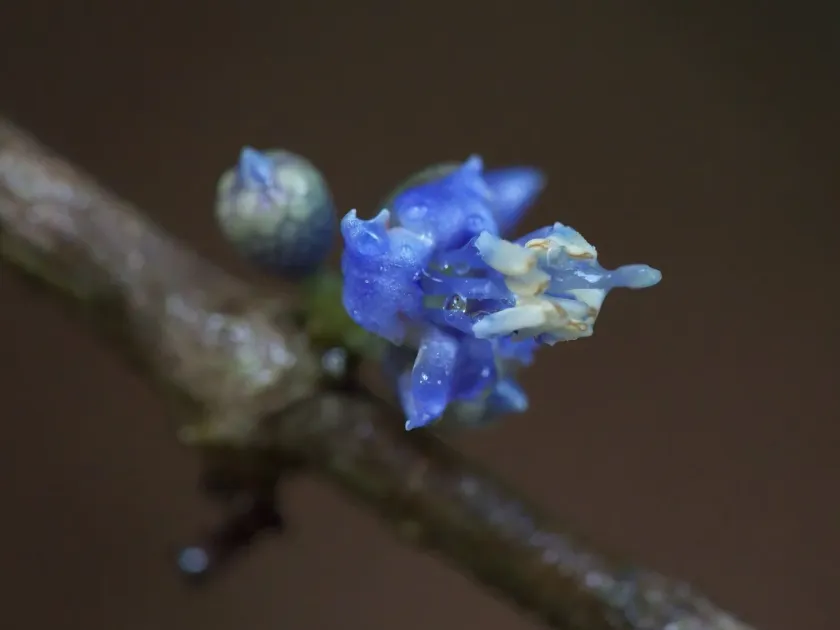
Botanically, this plant is characterized by its glossy, opposite leaves with prominent longitudinal venation, which is a classic feature of the family. The small, often bluish or violet flowers contribute to its local ecological significance, attracting various pollinators within its native range.
The climate requirements are strictly tropical, necessitating consistent warmth and high relative humidity throughout the year. It does not tolerate cold exposure, making it suitable only for specific zones where temperatures remain above 20°C consistently.
Soil requirements for Pternandra coerulescens involve well-draining yet moisture-retentive media. It performs best in nutrient-rich soils that mimic the forest floor composition, meaning high organic matter content is essential for optimal growth and development.
In terms of хозяйственное usage, local communities utilize various parts of the plant for traditional medicinal practices. Research often focuses on the phytochemical profile of the leaves and bark, which are reported to contain bioactive compounds useful for wound healing and anti-inflammatory treatments.
Main diseases and pests
Plant health is often compromised by fungal pathogens triggered by poor air circulation. Leaf spots and rust diseases are common in cultivation, necessitating the use of systemic fungicides during periods of excessive rainfall or high humidity levels.
Insect pests such as leaf-eating beetles and aphids are major threats. They can significantly reduce foliage area, inhibiting the plant's ability to undergo effective photosynthesis, especially during the seedling stage when the plant is most vulnerable.
Root rot is a persistent problem in containers or improperly drained landscapes. If the soil becomes waterlogged, anaerobic conditions quickly damage the roots, leading to sudden chlorosis and wilting of the entire shrub structure.
Effective management includes regular monitoring of foliage for early signs of infection. Implementing an integrated pest management strategy (IPM) helps maintain the ecological balance and prevents the need for heavy chemical applications.
- Fungal leaf spots and blight.
- Infestations by leaf-chewing beetles.
- Aphid colonization on tender growth.
- Root rot due to anaerobic soil conditions.