
Pternandra echinata
Pternandra echinata
Description
Growing requirements
Pternandra echinata is a significant representative of the Melastomataceae family, known for its unique botanical structure. Native to the tropical rainforests of Southeast Asia, this species thrives in high-humidity, warm environments.
The plant requires specific soil conditions, typically favoring well-draining, nutrient-rich substrates that mimic the floor of a tropical forest. It thrives in soils with slightly acidic to neutral pH levels, which support robust root development.
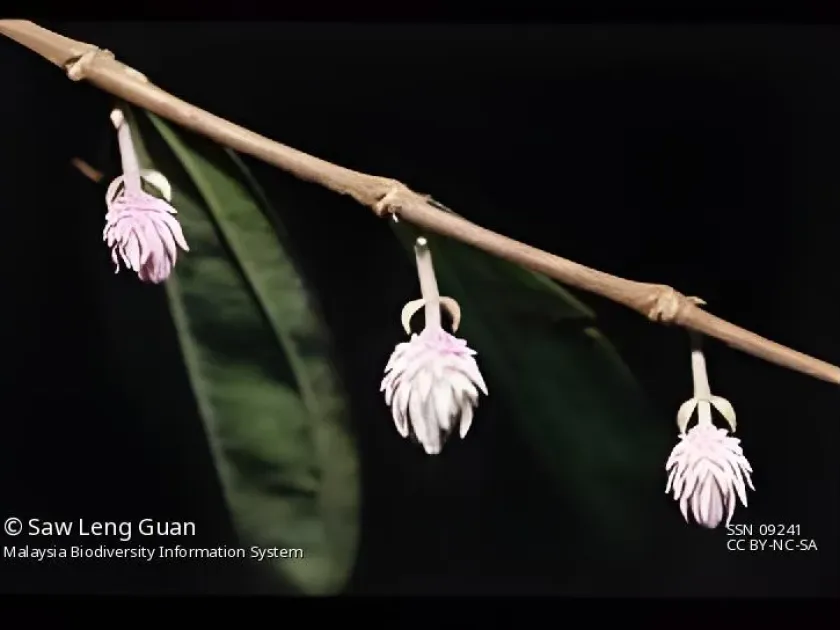
Botanically, it is characterized by opposite leaves and cauliflorous flowering habits, where flowers emerge directly from the wood. This structure is a specialized adaptation to its native habitat, ensuring pollination efficiency in dense forest conditions.
Climatic requirements for successful cultivation include maintaining consistent temperatures between 22 and 30 degrees Celsius. Exposure to cold or frost is detrimental, necessitating strictly controlled conditions for any greenhouse or outdoor cultivation attempts.
Economically, the plant is primarily utilized in botanical research and as an ornamental species in specialized tropical collections. Its aesthetic value is derived from its distinct leaf morphology and the unique arrangement of its flowers on the main stems.
Main diseases and pests
The primary threats to Pternandra echinata include fungal diseases such as leaf spot and root rot, often resulting from poor air circulation or over-saturation of the soil. Strict monitoring of drainage is essential to maintain plant health.
In terms of pests, the species is susceptible to various sucking insects, including mealybugs and scale insects. These pests can cause severe damage to new shoots and leaves, requiring prompt intervention with appropriate horticultural soaps or systemic pesticides.