
Phyllagathis hispida
Phyllagathis hispida
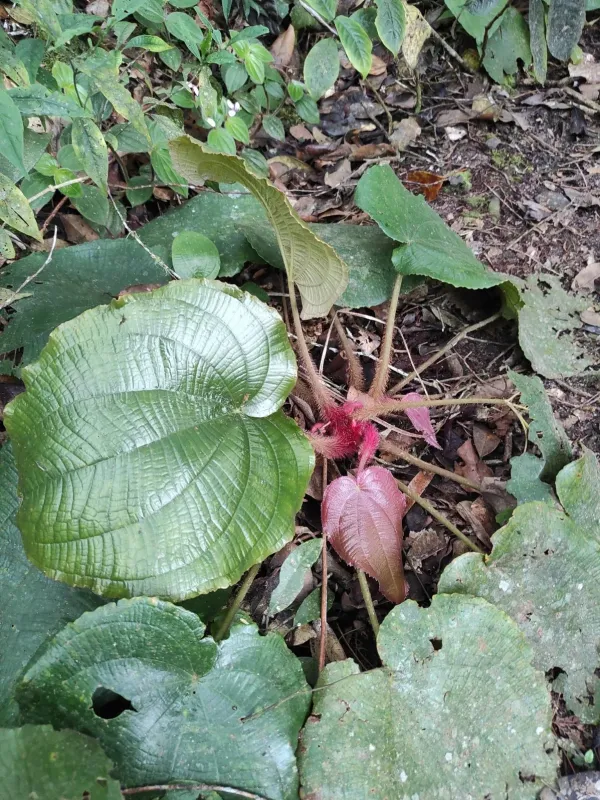
Description
Growing requirements
Phyllagathis hispida is a distinctive herbaceous perennial belonging to the Melastomataceae family. Native to the rainforests of Southeast Asia, this species has evolved in the understory of dense tropical canopies, which dictates its preference for shaded environments and high atmospheric humidity.
The botanical characteristics of this plant include its striking, textured leaves covered in fine hairs, which are arranged in a rosette or along creeping stems. These foliage features make it a popular choice for plant enthusiasts focused on aesthetic leaf patterns and tactile plant varieties.
In terms of climatic requirements, Phyllagathis hispida demands a consistent environment. It thrives in temperatures ranging from 20°C to 25°C and cannot tolerate cold drafts or sudden thermal fluctuations. High humidity is paramount, making it an excellent candidate for terrariums or humid greenhouse conditions.
Soil management for this crop involves using a well-draining, nutrient-rich substrate, typically peat-based with organic matter. Proper aeration is crucial; therefore, incorporating perlite or sphagnum moss helps prevent soil compaction and ensures that the root system remains oxygenated while retaining necessary moisture.
The primary horticultural use of this plant is as a decorative foliage specimen. Because it is sensitive to environmental stressors, it is widely used by professional growers for interior displays and botanical exhibits, where conditions can be meticulously managed to maintain its vibrant appearance.
Main diseases and pests
The most significant threat to Phyllagathis hispida is improper moisture balance. Low humidity levels lead to scorched leaf margins and tissue desiccation, while erratic watering schedules often cause root rot, as the roots are delicate and sensitive to stagnant water in the substrate.
Pest issues frequently include spider mites, which exploit the thin leaf tissues when ambient humidity is insufficient. These pests can rapidly proliferate, causing stippling patterns and loss of leaf vigor, requiring prompt intervention with gentle, non-toxic horticultural sprays.
Fungal pathogens represent another risk, especially in environments with poor air circulation. Overcrowding plants or high humidity without adequate ventilation provides the perfect breeding ground for leaf spot diseases, which can quickly degrade the ornamental quality of the foliage.
Sensitivity to water quality is a well-documented aspect of this plant's care. Chlorinated or hard tap water can lead to mineral toxicity, manifesting as yellowing or necrotic edges on the leaves. Utilizing filtered or rainwater is a recommended agricultural practice to ensure long-term health.
Mechanical damage should also be avoided, as the leaves are fragile. Even slight physical stress can result in permanent scarring of the velvety surface. Handling the plant with care during maintenance tasks is essential to preserving its visual appeal and structural integrity throughout its lifecycle.