
Chaetogastra
Chaetogastra
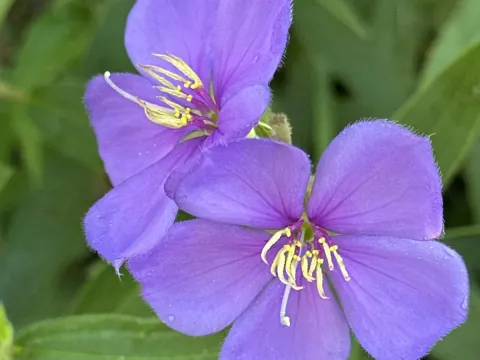
Chaetogastra, a genus within the Melastomataceae family, consists of tropical shrubs known for their vibrant, distinctively shaped flowers. In most temperate regions, these plants are cultivated primarily as greenhouse or indoor specimens.
What the section contains


Chaetogastra
The sowing process begins in late winter. Seeds should be sown on the surface of a fine-textured, peat-based substrate. Because they are tiny and light-dependent for germination, they must not be buried under soil.
Maintain high humidity and a constant temperature between +22°C and +25°C by covering the containers with transparent plastic or glass. This creates a greenhouse effect necessary for successful germination of the small seeds.
Germination typically takes three to four weeks. Once the seedlings develop their first true leaves, they should be pricked out into individual pots to ensure adequate space for root and foliage development.
Gradual acclimatization to the ambient room environment is essential after the seedlings have strengthened. Remove the cover incrementally over several days to help the young plants adjust to lower humidity levels.
Chaetogastra plants require bright, indirect light to thrive. While they enjoy warmth, direct midday sun can easily scorch the leaves, so a location near an east or west-facing window is usually ideal for indoor cultivation.
The soil should be well-draining, slightly acidic, and rich in organic matter. A mixture of peat, perlite, and pine bark is often recommended to ensure roots have access to oxygen while retaining essential moisture.
Consistent moisture is key, but waterlogging is fatal. Allow the top inch of the soil to dry slightly before watering again. During the winter, the plant enters a semi-dormant state and requires less frequent irrigation.
Humidity is perhaps the most challenging aspect of care. To maintain a healthy foliage, use a misting spray daily or group plants together to create a localized microclimate with higher air moisture content.
Feeding should be consistent during the growing season. Use a balanced, water-soluble fertilizer specifically formulated for acid-loving or flowering plants, applying it at half-strength every two weeks.
Spider mites are the most frequent pests, particularly in dry indoor environments. They feed on the sap of the leaves, causing them to yellow and drop prematurely. Regular inspection of the underside of leaves is recommended.
Mealybugs can also infest Chaetogastra, hiding in the leaf axils. If detected, remove them manually with a cotton swab dipped in isopropyl alcohol or apply an appropriate horticultural oil spray to manage the population.
Root rot is a major threat linked to poor soil drainage and overwatering. It often causes sudden wilting and blackening of the stems at the soil line, requiring immediate repotting and removal of damaged root tissue.
Fungal leaf spots can occur when the foliage remains wet for extended periods in stagnant air. Ensuring adequate airflow around the plant helps prevent moisture from accumulating on the leaf surfaces.
Chlorosis, or yellowing between veins, is a common symptom of iron deficiency or incorrect soil pH. It is easily prevented by using filtered water and ensuring the potting mix remains slightly acidic over time.