
Blood-red melastoma
Melastoma sanguineum
Description
Growing requirements
Blood-red melastoma (Melastoma sanguineum) is a prominent evergreen shrub within the Melastomataceae family. Native to the tropical regions of Southeast Asia, this species thrives in high-humidity environments, typically found in open forests and mountainous areas where sunlight is abundant.
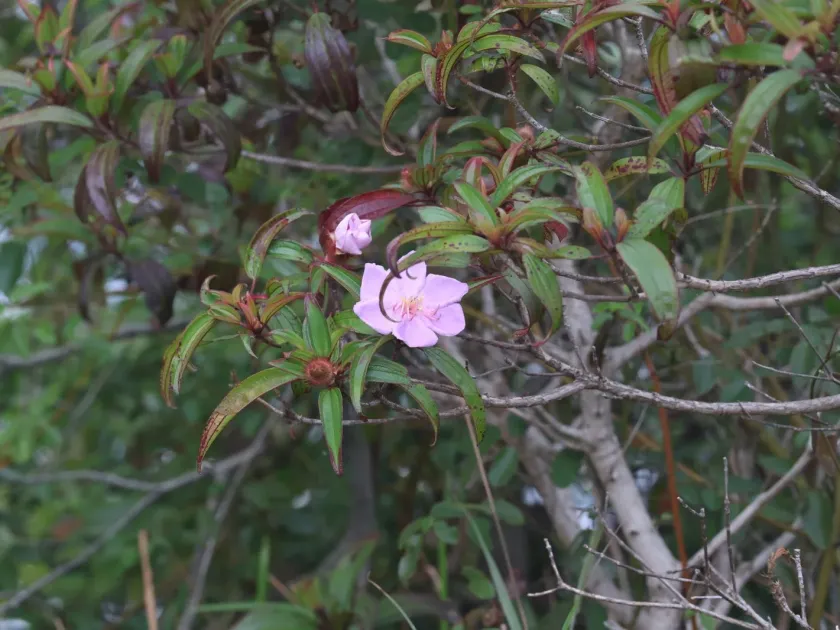
The plant features distinctively veined, opposite leaves and vibrant, deep-pink to reddish-purple flowers that make it highly desirable for ornamental use. Botanically, it is known for its shrubby growth habit, which often requires regular pruning to manage its height and encourage a bushier structure.
Regarding climatic requirements, Melastoma sanguineum is strictly tropical and requires constant warmth. Temperatures should be maintained between 20°C and 28°C; even minor exposure to freezing temperatures can cause severe damage or death, making greenhouse or indoor cultivation essential in temperate zones.
Soil management for this crop involves using a well-draining, acidic, or slightly acidic potting mix. Proper drainage is critical, as the roots are highly susceptible to rot if subjected to waterlogged conditions, particularly when light levels or temperatures are below the required threshold.
The primary use of blood-red melastoma is within the horticultural sector, specifically in landscape design for tropical climates and conservatory displays in cooler regions. It serves as an excellent focal point in botanical collections due to its striking floral presentation and foliage texture.
Main diseases and pests
Common pests include spider mites and mealybugs, which thrive in low-humidity conditions. Integrated pest management, including regular monitoring and the use of appropriate insecticidal soaps or systemic treatments, is recommended to keep infestations at manageable levels.
Disease pressure usually manifests as root rot or leaf spot caused by fungal pathogens when air circulation is poor or soil moisture is mismanaged. Maintaining proper sanitation, ensuring adequate ventilation, and avoiding overhead watering during the cooler months are essential agronomic practices.