
Chaetogastra gracilis
Chaetogastra gracilis
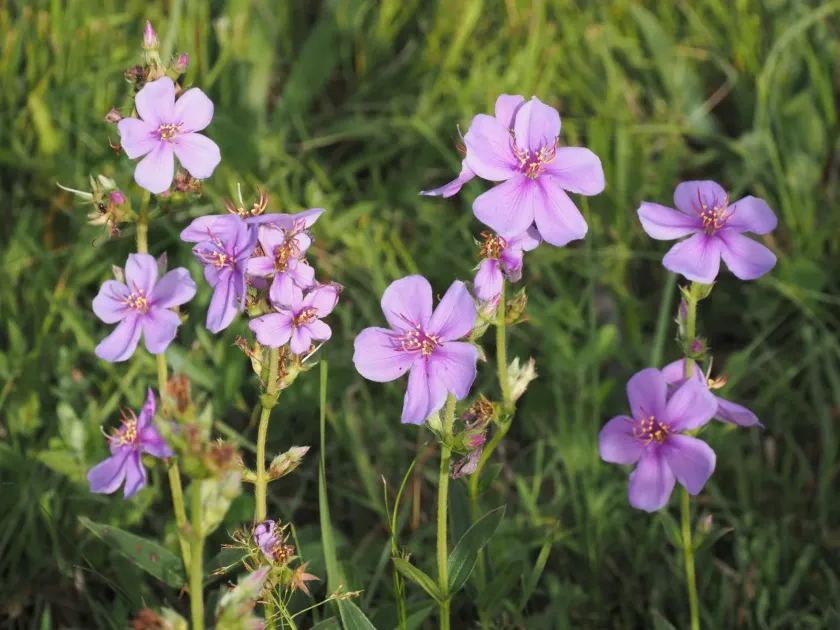
Description
Sowing dates
Chaetogastra gracilis belongs to the Melastomataceae family, which is known for its delicate growth habit and specific germination requirements in commercial settings.
Propagation is typically done via seeds which must be sown on the surface of a sterilized, acidic substrate due to their fine size and light-dependent nature.
The optimal sowing window is early spring, ensuring that the seedlings gain enough maturity before the primary flowering period commences in the summer.
Consistent humidity levels are essential during the germination phase, and the use of plastic covers or propagation chambers is highly recommended for success.
Transplanting must be executed with extreme care because the root systems of these plants are exceptionally fragile and sensitive to physical disturbance.
Growing requirements
This species requires well-drained, acidic soil rich in organic matter to mimic its natural habitat and ensure optimal nutrient uptake for healthy growth.
The plant thrives under bright but diffused light conditions; direct intense sunlight should be avoided as it can scorch the foliage and impair aesthetic quality.
Temperature stability is critical, with a preference for warm days and slightly cooler nights, provided that the environment remains free from cold drafts.
Water quality is a major factor; irrigation should be performed with soft, non-alkaline water to prevent pH imbalances that are toxic to this species.
Regular fertilization with specialized acidic-plant formulas is required to maintain leaf color and promote continuous flower production throughout the season.
Main diseases and pests
Spider mites are the most prevalent pest for Chaetogastra gracilis, especially when the indoor climate is kept too dry or poorly ventilated during summer.
Fungal diseases, including stem rot and leaf spots, often manifest when water management is neglected or when stagnant air promotes pathogen development.
Integrated pest management strategies focusing on biological control are preferred over harsh chemical pesticides to protect the plant's delicate tissues.
Routine inspection of the undersides of leaves is vital for early detection of pest colonies, which allows for localized treatment and minimizes damage.
Good agricultural practice involving sterile potting media and proper spacing significantly reduces the susceptibility of the crop to typical greenhouse infections.
Harvesting
The primary horticultural use of Chaetogastra gracilis is for its high-value decorative flowers, which are sought after for landscape design and floral arrangements.
Seed harvesting should be performed carefully, collecting fruit capsules just before they mature to prevent natural seed dispersal and loss of genetic material.
For cut flower production, stems are harvested at the early bud-opening stage to ensure maximum longevity and visual appeal for the end-user.
Pruning is essential after the blooming period ends; removing spent flowers stimulates basal branching and prepares the plant for future vegetative cycles.
Post-harvest management involves cleaning debris and adjusting growing conditions to facilitate recovery or entering a regulated dormancy period if necessary.