
Chaetogastra mollis
Chaetogastra mollis
Description
Growing requirements
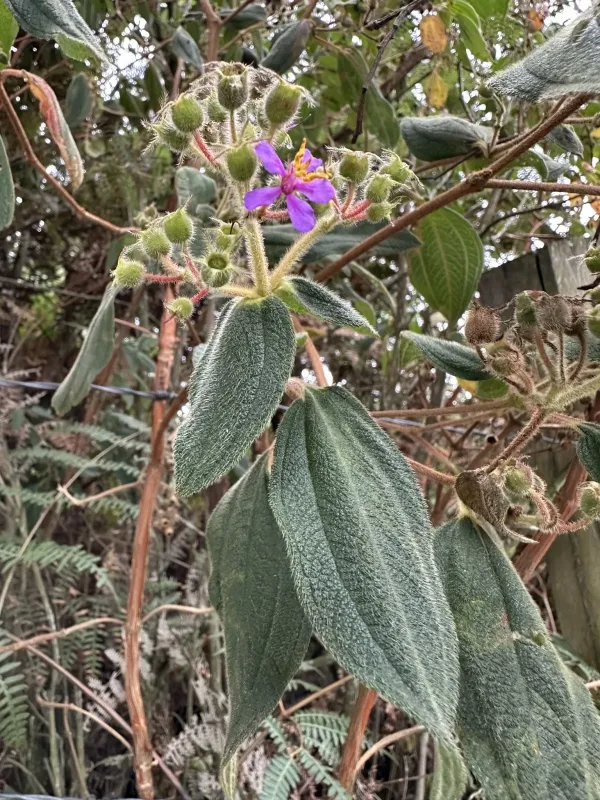
Chaetogastra mollis belongs to the Melastomataceae family and is recognized as a decorative evergreen shrub. Originating from the mountainous regions of South America, this plant is well-adapted to high-humidity tropical environments, which dictates its specific needs in cultivation.
The plant requires precise climate conditions to thrive. It is sensitive to frost and extreme heat, preferring stable temperatures between 20°C and 25°C. In temperate zones, it is widely grown as a container plant in greenhouses to protect it from harsh weather.
Regarding soil requirements, Chaetogastra mollis performs best in acidic to slightly acidic, well-draining potting mixes. Proper aeration is crucial; therefore, a high-quality substrate with perlite or similar drainage materials is recommended to prevent root hypoxia.
Watering practices must be consistent. Using soft, dechlorinated water is essential, as the plant is sensitive to salt accumulation and high mineral content in irrigation water. Maintaining consistent moisture without waterlogging is the key to healthy growth.
Its primary use is ornamental. The plant is cherished for its vivid purple blossoms and soft, textured foliage, making it a desirable specimen for indoor displays, botanical conservatories, and high-end residential landscaping.
Main diseases and pests
Common threats to Chaetogastra mollis include fungal infections that develop in poorly ventilated spaces. High relative humidity combined with stagnant air often leads to grey mold and various leaf spot diseases.
Pest pressure is frequently caused by spider mites and mealybugs. These organisms thrive in dry indoor conditions, potentially causing significant damage to the plant's delicate stems and foliage if left untreated.
Effective management strategies include regular monitoring of leaf undersides and maintaining an ambient humidity level of around 60–70% to discourage pest colonization and promote vigor.
In case of severe infestation, growers should apply specific systemic insecticides labeled for ornamental shrubs, ensuring complete coverage of the foliage for maximum effectiveness.
Sanitation practices such as removing fallen leaves and pruning dead or overcrowded branches are critical to minimizing the risk of pathogen spread within a greenhouse environment.