
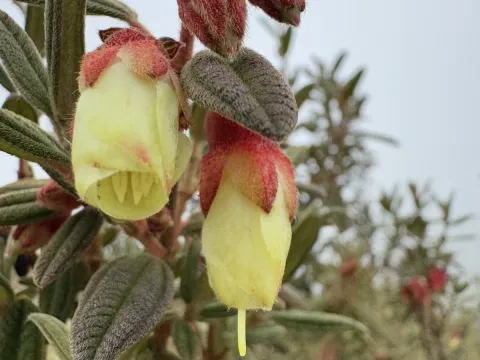
Brachyotum
Brachyotum
Brachyotum is a genus of evergreen shrubs belonging to the Melastomataceae family. These plants are native to the high-altitude regions of the Andes, spanning from Venezuela down to Peru and Bolivia, where they are typically found in cloud forests and alpine ecosystems.
What the section contains

Brachyotum
Botanically, Brachyotum is characterized by its opposite leaves with distinct venation and impressive, tubular or bell-shaped flowers. The colors range predominantly from deep purple to violet and magenta, making them a centerpiece in naturalistic alpine garden designs.
For successful cultivation, this crop requires acidic, well-draining soil rich in organic matter. The plants are highly sensitive to waterlogged conditions; therefore, incorporating sand or perlite into the growing medium is essential to ensure adequate aeration and prevent root rot.
The climate requirement is specific: Brachyotum thrives in cool to moderate temperatures with high humidity. Extreme heat and intense, direct sunlight can stress the plant, necessitating partial shade during the hottest parts of the day and consistent moisture levels in the air.
Agronomic practices for Brachyotum involve periodic pruning, usually conducted after the primary flowering cycle has concluded. This practice helps maintain the plant's shape and encourages denser branching, which in turn leads to a more abundant flower display in the following season.
The primary threats to Brachyotum health involve fungal infections caused by improper moisture management. Soil-borne pathogens such as Phytophthora can cause rapid decline if the soil remains saturated for extended periods, stressing the root system.
Pests such as spider mites and mealybugs are frequently observed, particularly when the plant is kept in environments with low humidity. These pests feed on sap, which causes leaf yellowing, tissue damage, and a reduction in the overall vigor of the shrub.
To mitigate disease risks, gardeners must prioritize air circulation around the plants and avoid overhead watering in the evening. Keeping the crown dry is a crucial preventive measure against many common leaf-spot diseases that affect the Melastomataceae family.
Integrated pest management strategies should be employed if infestation occurs. Using horticultural oils or insecticidal soaps can be effective for early-stage pest control without introducing harsh chemicals that might harm the plant's delicate root hair structure.
Regular monitoring of the plant's foliage, especially the undersides of leaves where insects hide, is a fundamental agronomic practice. Early detection significantly increases the chances of successful recovery and prevents the spread to neighboring specimens.