
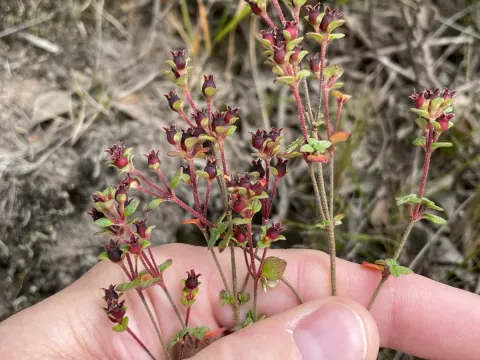
Chaetolepis
Chaetolepis
Chaetolepis is a genus of perennial shrubs belonging to the Melastomataceae family. Native to the mountainous regions of Central and South America, these plants are well-adapted to cooler tropical climates with consistent moisture levels.
What the section contains
Chaetolepis
The plant thrives in well-drained, acidic soil rich in organic matter. Gardeners should ensure the substrate remains moist but not waterlogged, as the delicate root systems of this genus are highly susceptible to decay in stagnant water.
Environmental requirements include bright, filtered light. Protecting the foliage from intense midday sun is essential to prevent scorching, making partial shade environments or east-facing windows ideal locations for healthy growth.
Temperature management is critical for the survival of Chaetolepis. It prefers mild temperatures and dislikes significant fluctuations; therefore, it is often treated as a greenhouse or conservatory plant in regions outside its natural range.
In terms of practical application, this plant is primarily valued for its ornamental appeal. Its compact habit and prolific blooming cycle make it a popular choice for specialized collections, rock gardens in mild climates, and container gardening.
Fungal pathogens are the most significant threat to Chaetolepis, particularly during periods of high humidity and poor air circulation. Root rot is the most common issue, often resulting from improper irrigation practices.
Pests such as spider mites and mealybugs frequently target the plant, especially in drier indoor environments. These insects sap energy from the leaves and can cause significant foliage drop if left unchecked.
Integrated pest management involves regular monitoring and physical removal of infested leaves. Maintaining optimal humidity levels can naturally deter spider mites and keep the plant in a more resilient state.
Chemical control should be approached with caution, as plants in the Melastomataceae family can be sensitive to certain heavy pesticides. Always test treatments on a small portion of the plant before applying them broadly.
Sanitation practices, such as removing fallen leaves and disinfecting pruning tools, are essential. Keeping the surrounding area clean prevents the buildup of spores that could otherwise lead to widespread fungal infections.